Buy skepticshop.com ?
We are moving the project
skepticshop.com .
Are you interested in purchasing the domain
skepticshop.com ?
domain@kv-gmbh.de · 0541-91531010
Buy skepticshop.com ?
Socially critical or critical of society?
The phrase "socially critical" typically refers to works of art, literature, or commentary that examine and critique social issues, norms, and structures. On the other hand, "critical of society" may imply a more general and broad critique of societal values, institutions, and behaviors. Both phrases ultimately convey a similar idea of questioning and challenging the status quo, but "socially critical" may be more focused on specific social issues, while "critical of society" may encompass a broader range of societal aspects. **
Are you self-critical?
As an AI, I do not possess the ability to be self-critical. I am programmed to provide information and assistance based on the data and algorithms I have been designed with. My responses are generated based on the input I receive and the parameters set by my creators. **
Similar search terms for SAGE-Publications-Critical-Reading
Top-Angebote
Products related to SAGE-Publications-Critical-Reading:
-
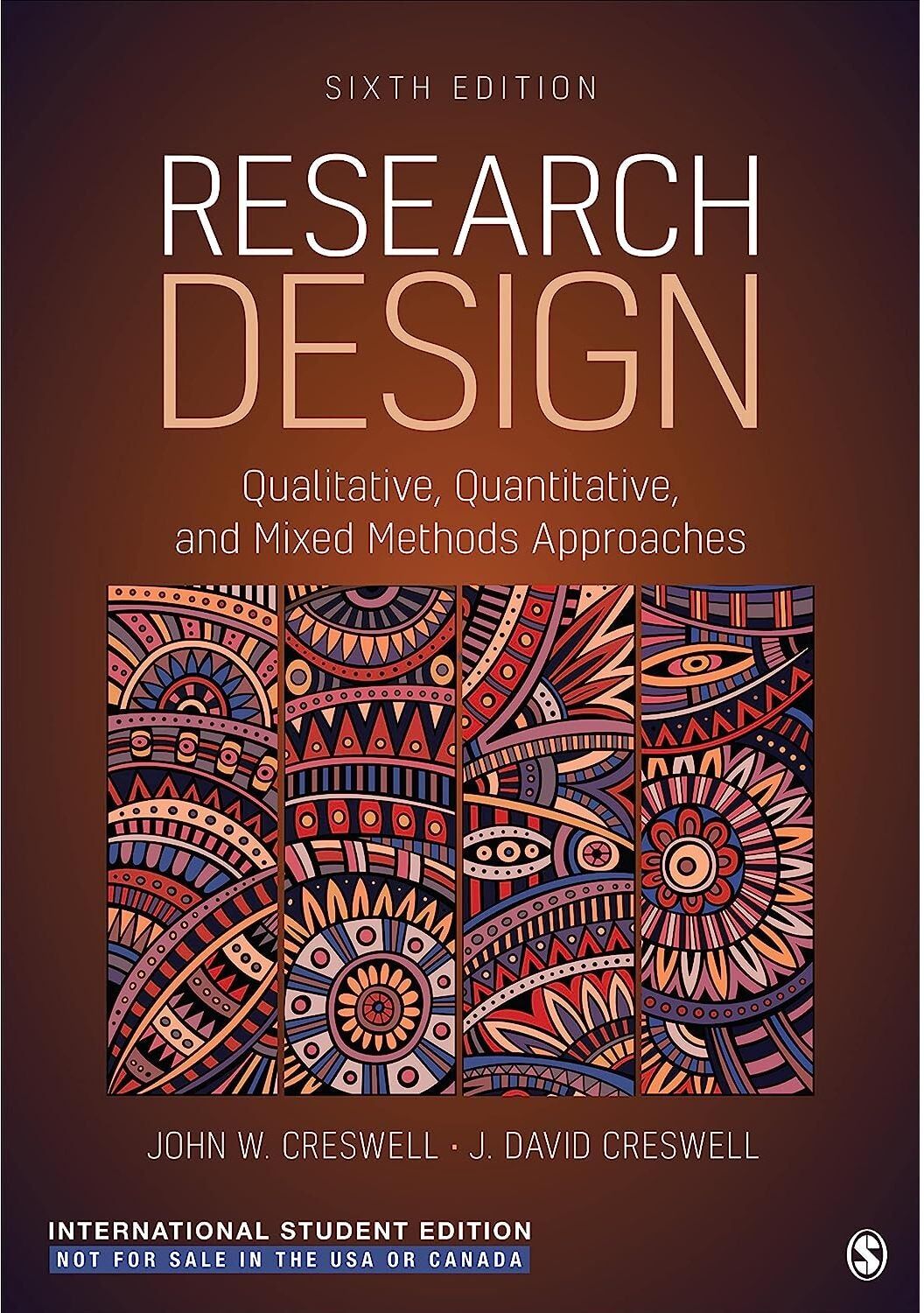
SAGE Publications Research Design - International Student Edition: Qualitative, Quantitative, and Mixed Methods ApproachesThe new edition of the best-selling text, Research Design: Qualitative, Quantitative, and Mixed Methods Approaches, continues the pioneering tradition of providing clear and concise instruction for understanding research and developing proposals for all three approaches. John W. Creswell and co-author J. David Creswell include a preliminary consideration of philosophical assumptions, a review of the literature, an assessment of the use of theory in research approaches, and reflections about the importance of writing and ethics in scholarly inquiry in a way that is applicable to all types of research. Key elements of the research process, giving specific attention to each approach. The book has been lauded for its language and tone, which are both accessible and inviting. It is a text that students keep and continue to use as a resource throughout their studies, once the specific class is over. The Sixth Edition includes more coverage of community-based participatory research, comparisons of qualitative and quantitative research, an expanded glossary with basic terms, updated examples of social, behavioural, and health research, new coverage of ethical requirements, updated APA 7th edition coverage, and additional exercises aimed at research projects.59,95 £*Shipping: 0,00 £Secure redirect to the provider
-
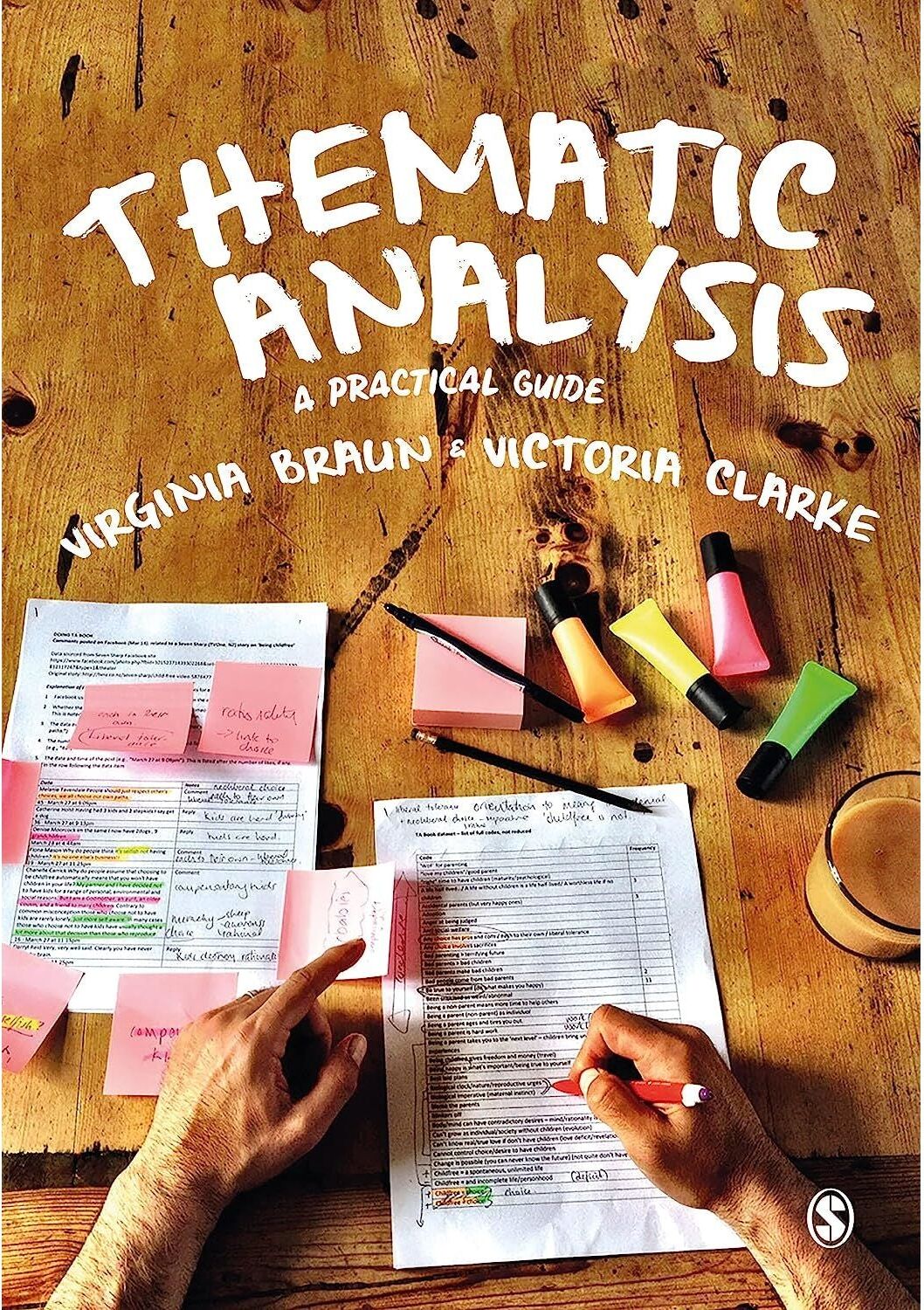
SAGE Publications Thematic Analysis: A Practical GuideDeveloped and adapted by the authors of this book, thematic analysis (TA) is one of the most popular qualitative data analytic techniques in psychology and the social and health sciences. Building on the success of Braun & Clarke′s 2006 paper first outlining their approach - which has over 100,000 citations on Google Scholar - this book is the definitive guide to TA, covering:- Contextualisation of TA- Developing themes- Writing TA reports- Reflexive TAIt addresses the common questions surrounding TA as well as developments in the field, offering a highly accessible and practical discussion of doing TA situated within a clear understanding of the wider terrain of qualitative research.Virginia Braun is a Professor in the School of Psychology at The University of Auckland, Aotearoa New Zealand.Victoria Clarke is an Associate Professor in Qualitative and Critical Psychology in the Department of Social Sciences at the University of the West of England (UWE), Bristol.35,49 £*Shipping: 0,00 £Secure redirect to the provider
-
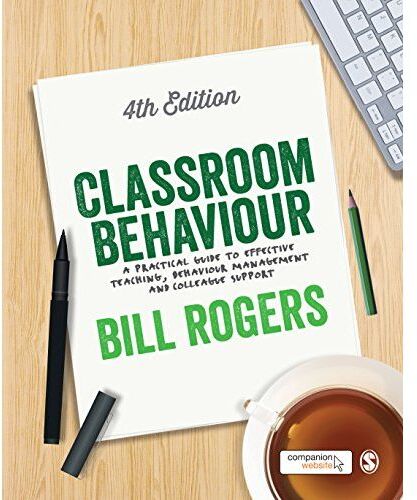
SAGE Publications Classroom Behaviour by Bill RogersThis exciting new edition of the best-selling and beloved teacher's companion looks at the everyday behaviour issues facing teachers working in today's classrooms. Describing real situations and dilemmas, Bill Rogers provides theoretically sound strategies and best practices to support you in meeting the challenges of the job, as well as building up a rapport with both students and colleagues to enable positive and productive learning environments. Written jargon-free in Bill's accessible and empathetic voice it includes in-depth strategies, practical examples, case studies and pragmatic hints and tips to put in to practice. This will make for informative and inspiring reading to all those involved in educating our children and young people. The new edition has been revised and updated and now also includes access to an interactive website packed with a host of extra material to take you further. Videos of Bill demonstrating his behaviour strategies in real classroom settings Podcasts where Bill explains his ideas and ethos in more detail as well as answering teachers' FAQs Extra reading material for even more support on difficult subjects Behaviour Management Tool Templates to use with students in the everyday classroom Role-play scenario cards to help understand and prepare for challenging situations "We often think of behaviour management in terms of dealing with challenging behaviour, but Dr Rogers begins by looking at classroom organisation and whole-class strategies. Alongside the theory, he provides examples that create a much deeper understanding of exactly what works and what doesn’t." - Special magazine24,99 £*Shipping: 2,99 £Secure redirect to the provider
-
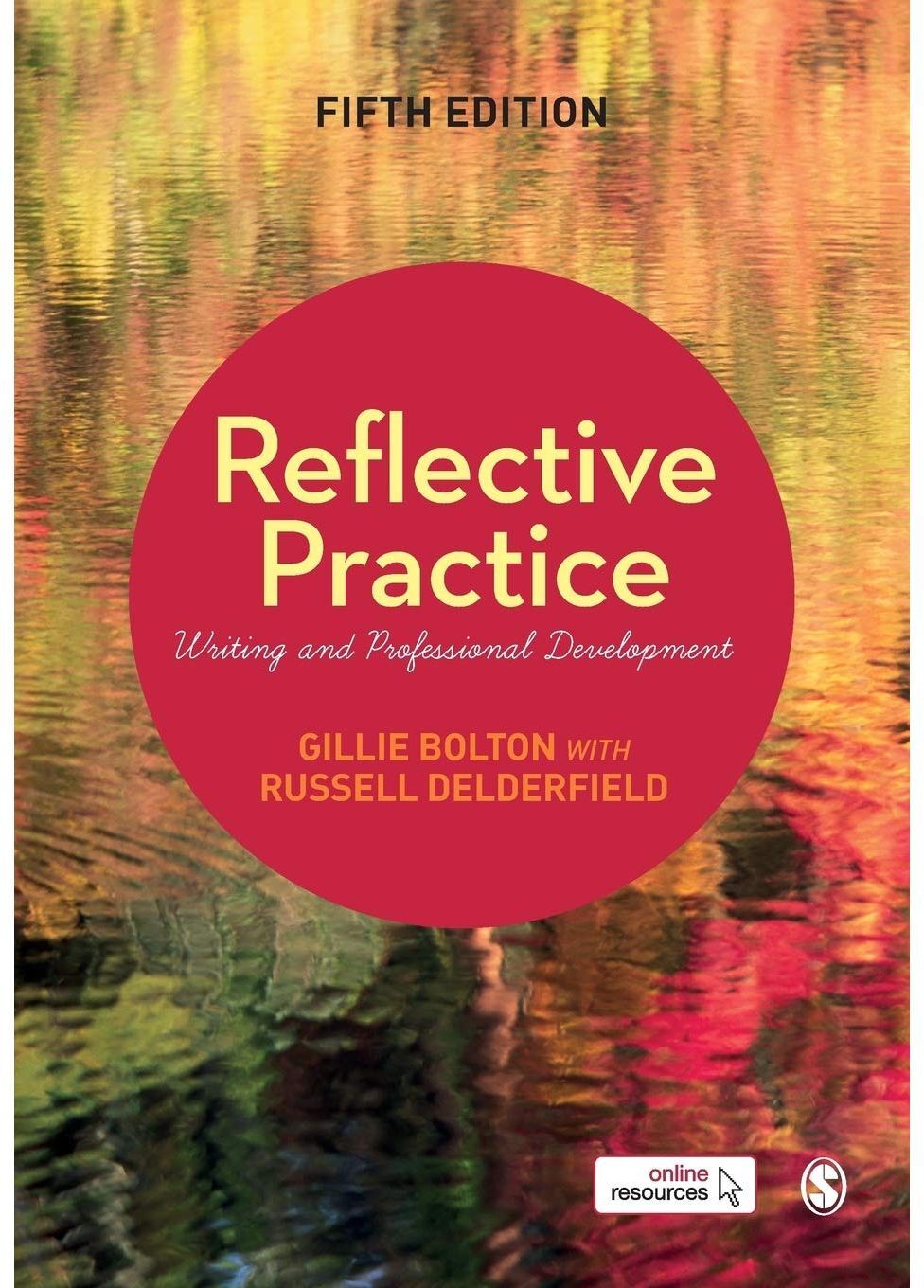
SAGE Publications Reflective Practice: Writing and Professional DevelopmentReflecting thoughtfully on your work is vital for improving your own self-awareness, effectiveness and professional development. This newly updated fifth edition of Gillie Bolton’s bestselling book explores reflective writing as a creative and dynamic process for this critical enquiry. New to this edition: An expanded range of exercises and activities A new emphasis on using e-portfolios Further guidance on reflective writing assignments Enhanced discussion of reflection as a key employability skill Additional online resources This popular book has been used worldwide in various disciplines including education, social work, business and management, medicine and healthcare and is essential reading for students and professionals seeking to enhance their reflective writing skills and to examine their own practice in greater critical depth.18,19 £*Shipping: 2,99 £Secure redirect to the provider
-
Is Kollegah too critical?
Kollegah, a German rapper, has been known for his controversial and critical lyrics, often addressing social and political issues. While some may argue that he is too critical, others may see his outspokenness as a way to bring attention to important topics and spark discussions. It ultimately depends on one's perspective and personal beliefs whether they consider Kollegah's criticism to be too much or necessary for raising awareness. **
-
What is critical rationalism?
Critical rationalism is a philosophical approach that emphasizes the importance of critical thinking and skepticism in the pursuit of knowledge. It was developed by philosopher Karl Popper and is based on the idea that knowledge can never be fully justified or proven, but can only be tested and criticized. Critical rationalism encourages the constant questioning and testing of theories and beliefs, and rejects the notion of absolute truth. It also emphasizes the importance of openness to new ideas and the willingness to revise or abandon theories in the face of new evidence. **
-
What is critical consciousness?
Critical consciousness is the ability to recognize and analyze social, political, and economic structures of power and oppression. It involves questioning the status quo, understanding the root causes of inequality and injustice, and taking action to challenge and change these systems. Critical consciousness also involves self-reflection and awareness of one's own biases and privileges, as well as empathy and solidarity with marginalized and oppressed groups. It is a key component of social justice and activism, as it empowers individuals to work towards a more equitable and just society. **
-
What were the pre-critical and critical periods in Immanuel Kant's life?
The pre-critical period in Immanuel Kant's life refers to the time before he published his most famous work, "Critique of Pure Reason" in 1781. During this period, Kant was primarily focused on teaching and writing on a variety of topics, including metaphysics, ethics, and aesthetics. It was during this time that he developed the philosophical ideas that would later form the basis of his critical philosophy. The critical period in Kant's life began with the publication of "Critique of Pure Reason" and continued with the subsequent publication of his other major works, such as "Critique of Practical Reason" and "Critique of Judgment." During this period, Kant's focus shifted to developing his critical philosophy, which aimed to reconcile rationalism and empiricism and address the limitations of human knowledge. This period marked a significant shift in Kant's thinking and solidified his reputation as one of the most important philosophers in Western thought. **
What is the difference between the historical-critical method and historical-critical exegesis?
The historical-critical method is a broad approach to studying and interpreting religious texts, which involves analyzing the historical and cultural context in which the text was written, as well as examining the language, literary style, and authorship of the text. Historical-critical exegesis, on the other hand, is a specific application of the historical-critical method to the interpretation of biblical texts. It focuses on understanding the original meaning of the biblical texts by considering their historical and cultural context, as well as the intentions of the original authors. In essence, historical-critical exegesis is a more focused and specific application of the broader historical-critical method to the interpretation of religious texts. **
What are social-critical poems?
Social-critical poems are works of poetry that address and critique social issues, injustices, and inequalities. These poems often shed light on the struggles and hardships faced by marginalized communities, and they may challenge the status quo or call for societal change. Social-critical poems can serve as a form of protest and activism, using the power of language and emotion to provoke thought and inspire action. They often aim to raise awareness, provoke empathy, and encourage readers to reflect on their own beliefs and behaviors. **
Top-Angebote
Products related to SAGE-Publications-Critical-Reading:
-
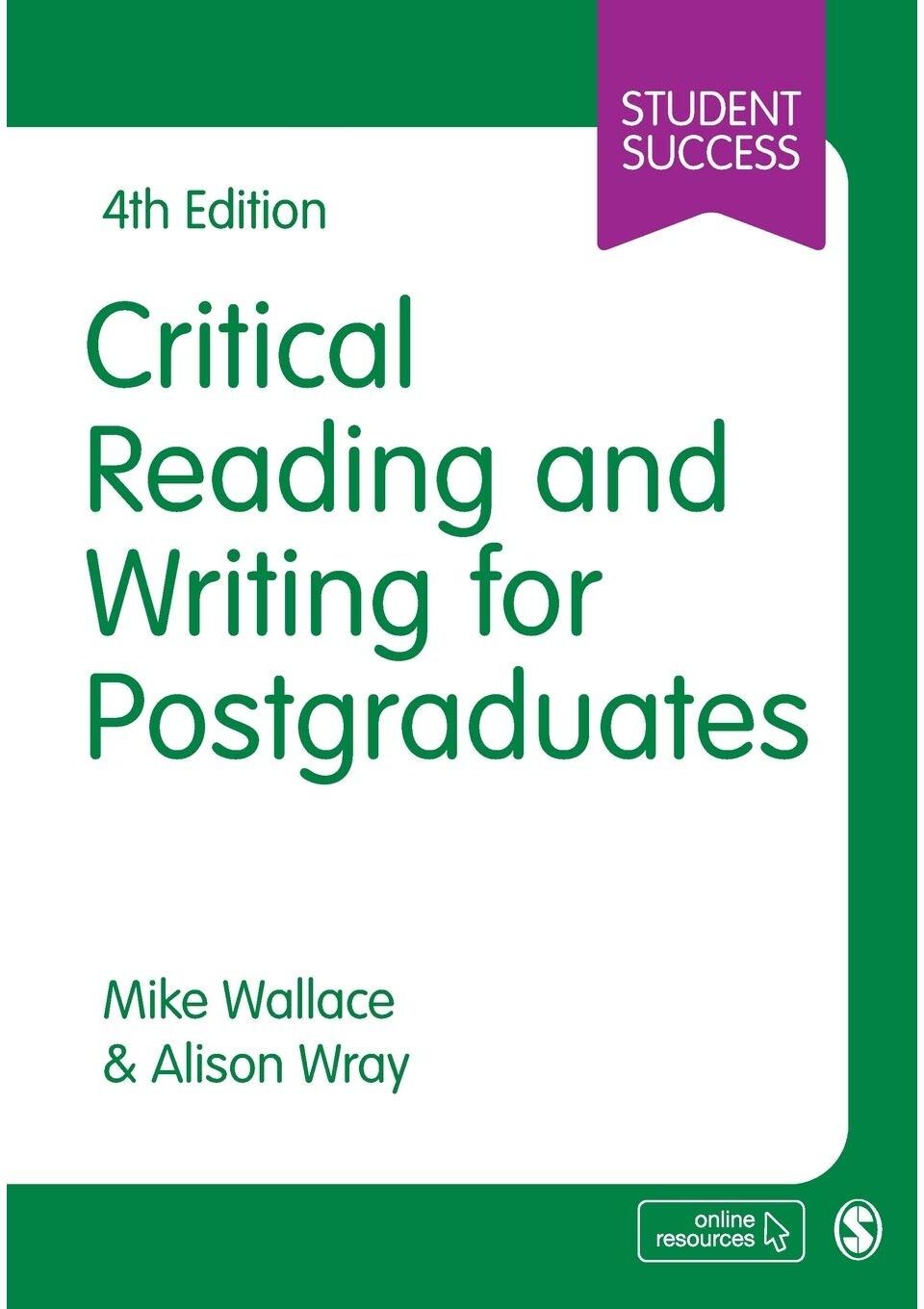
SAGE Publications Critical Reading and Writing for Postgraduates (Student Success)Reading critically, and writing using critical techniques, are crucial skills you need to apply to your academic work. If you need to engage with published (or unpublished) literature such as essays, dissertations or theses, research papers or oral presentations, this proven guide helps you develop a reflective and advanced critical approach to your research and writing. New to this edition: Two new chapters on basic and advanced writing skills More advice on self-bias and perception Updates and additional examples throughout Updated online resources providing additional support. A Companion Website provides additional resources to help you apply the critical techniques you learn. From templates and checklists, access to SAGE journal articles and additional case studies, these free resources will make sure you successfully master advanced critical skills.18,95 £*Shipping: 2,99 £Secure redirect to the provider
-
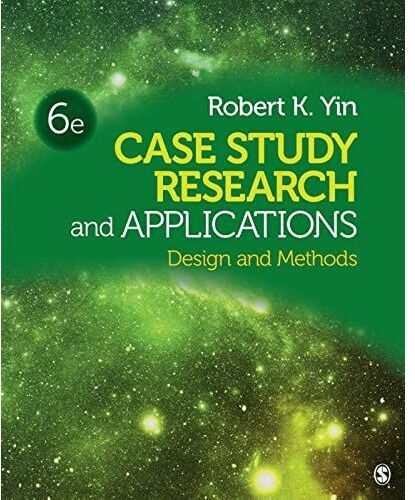
SAGE Publications Case Study Research and Applications: Design and MethodsRecognized as one of the most cited methodology books in the social sciences, the Sixth Edition of Robert K. Yin′s bestselling text provides a complete portal to the world of case study research. With the integration of 11 applications in this edition, the book gives readers access to exemplary case studies drawn from a wide variety of academic and applied fields. Ultimately, Case Study Research and Applications will guide students in the successful use and application of the case study research method.59,99 £*Shipping: 0,00 £Secure redirect to the provider
-
SAGE Publications Research Design - International Student Edition: Qualitative, Quantitative, and Mixed Methods ApproachesThe new edition of the best-selling text, Research Design: Qualitative, Quantitative, and Mixed Methods Approaches, continues the pioneering tradition of providing clear and concise instruction for understanding research and developing proposals for all three approaches. John W. Creswell and co-author J. David Creswell include a preliminary consideration of philosophical assumptions, a review of the literature, an assessment of the use of theory in research approaches, and reflections about the importance of writing and ethics in scholarly inquiry in a way that is applicable to all types of research. Key elements of the research process, giving specific attention to each approach. The book has been lauded for its language and tone, which are both accessible and inviting. It is a text that students keep and continue to use as a resource throughout their studies, once the specific class is over. The Sixth Edition includes more coverage of community-based participatory research, comparisons of qualitative and quantitative research, an expanded glossary with basic terms, updated examples of social, behavioural, and health research, new coverage of ethical requirements, updated APA 7th edition coverage, and additional exercises aimed at research projects.59,95 £*Shipping: 0,00 £Secure redirect to the provider
-
SAGE Publications Thematic Analysis: A Practical GuideDeveloped and adapted by the authors of this book, thematic analysis (TA) is one of the most popular qualitative data analytic techniques in psychology and the social and health sciences. Building on the success of Braun & Clarke′s 2006 paper first outlining their approach - which has over 100,000 citations on Google Scholar - this book is the definitive guide to TA, covering:- Contextualisation of TA- Developing themes- Writing TA reports- Reflexive TAIt addresses the common questions surrounding TA as well as developments in the field, offering a highly accessible and practical discussion of doing TA situated within a clear understanding of the wider terrain of qualitative research.Virginia Braun is a Professor in the School of Psychology at The University of Auckland, Aotearoa New Zealand.Victoria Clarke is an Associate Professor in Qualitative and Critical Psychology in the Department of Social Sciences at the University of the West of England (UWE), Bristol.35,49 £*Shipping: 0,00 £Secure redirect to the provider
-
Socially critical or critical of society?
The phrase "socially critical" typically refers to works of art, literature, or commentary that examine and critique social issues, norms, and structures. On the other hand, "critical of society" may imply a more general and broad critique of societal values, institutions, and behaviors. Both phrases ultimately convey a similar idea of questioning and challenging the status quo, but "socially critical" may be more focused on specific social issues, while "critical of society" may encompass a broader range of societal aspects. **
-
Are you self-critical?
As an AI, I do not possess the ability to be self-critical. I am programmed to provide information and assistance based on the data and algorithms I have been designed with. My responses are generated based on the input I receive and the parameters set by my creators. **
-
Is Kollegah too critical?
Kollegah, a German rapper, has been known for his controversial and critical lyrics, often addressing social and political issues. While some may argue that he is too critical, others may see his outspokenness as a way to bring attention to important topics and spark discussions. It ultimately depends on one's perspective and personal beliefs whether they consider Kollegah's criticism to be too much or necessary for raising awareness. **
-
What is critical rationalism?
Critical rationalism is a philosophical approach that emphasizes the importance of critical thinking and skepticism in the pursuit of knowledge. It was developed by philosopher Karl Popper and is based on the idea that knowledge can never be fully justified or proven, but can only be tested and criticized. Critical rationalism encourages the constant questioning and testing of theories and beliefs, and rejects the notion of absolute truth. It also emphasizes the importance of openness to new ideas and the willingness to revise or abandon theories in the face of new evidence. **
Similar search terms for SAGE-Publications-Critical-Reading
-
SAGE Publications Classroom Behaviour by Bill RogersThis exciting new edition of the best-selling and beloved teacher's companion looks at the everyday behaviour issues facing teachers working in today's classrooms. Describing real situations and dilemmas, Bill Rogers provides theoretically sound strategies and best practices to support you in meeting the challenges of the job, as well as building up a rapport with both students and colleagues to enable positive and productive learning environments. Written jargon-free in Bill's accessible and empathetic voice it includes in-depth strategies, practical examples, case studies and pragmatic hints and tips to put in to practice. This will make for informative and inspiring reading to all those involved in educating our children and young people. The new edition has been revised and updated and now also includes access to an interactive website packed with a host of extra material to take you further. Videos of Bill demonstrating his behaviour strategies in real classroom settings Podcasts where Bill explains his ideas and ethos in more detail as well as answering teachers' FAQs Extra reading material for even more support on difficult subjects Behaviour Management Tool Templates to use with students in the everyday classroom Role-play scenario cards to help understand and prepare for challenging situations "We often think of behaviour management in terms of dealing with challenging behaviour, but Dr Rogers begins by looking at classroom organisation and whole-class strategies. Alongside the theory, he provides examples that create a much deeper understanding of exactly what works and what doesn’t." - Special magazine24,99 £*Shipping: 2,99 £Secure redirect to the provider
-
SAGE Publications Reflective Practice: Writing and Professional DevelopmentReflecting thoughtfully on your work is vital for improving your own self-awareness, effectiveness and professional development. This newly updated fifth edition of Gillie Bolton’s bestselling book explores reflective writing as a creative and dynamic process for this critical enquiry. New to this edition: An expanded range of exercises and activities A new emphasis on using e-portfolios Further guidance on reflective writing assignments Enhanced discussion of reflection as a key employability skill Additional online resources This popular book has been used worldwide in various disciplines including education, social work, business and management, medicine and healthcare and is essential reading for students and professionals seeking to enhance their reflective writing skills and to examine their own practice in greater critical depth.18,19 £*Shipping: 2,99 £Secure redirect to the provider
-
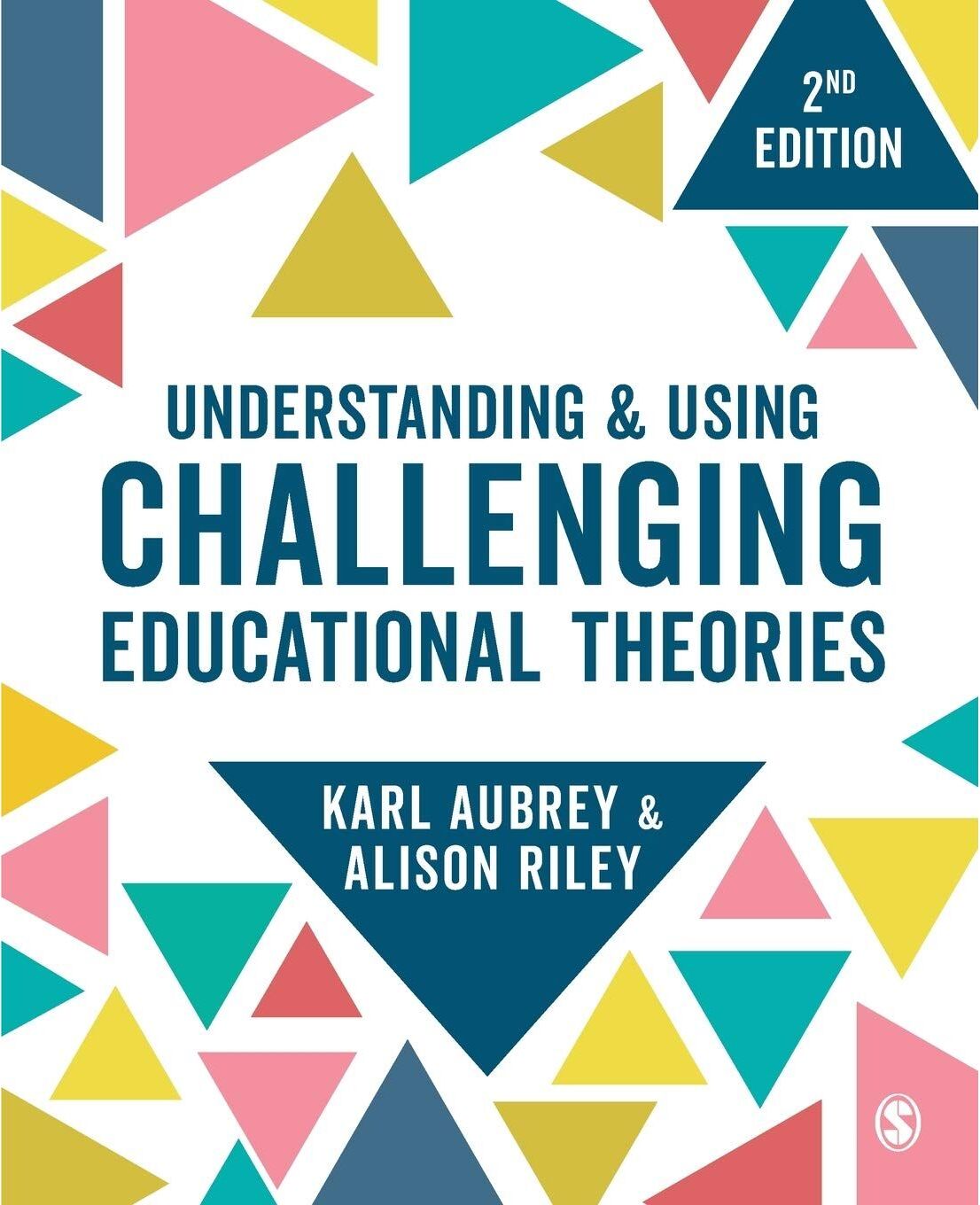
SAGE Publications Understanding and Using Challenging Educational TheoriesIntroducing you to 18 key educational thinkers who have offered challenging perspectives on education, this new edition comes with:- 3 new chapters on Ivan Illich, Loris Malaguzzi and Michael Apple- A glossary of key words related to each theorist’s work- A context-setting overview of key themes- Practical examples that shows how theories can be applied to your practice17,49 £*Shipping: 2,99 £Secure redirect to the provider
-
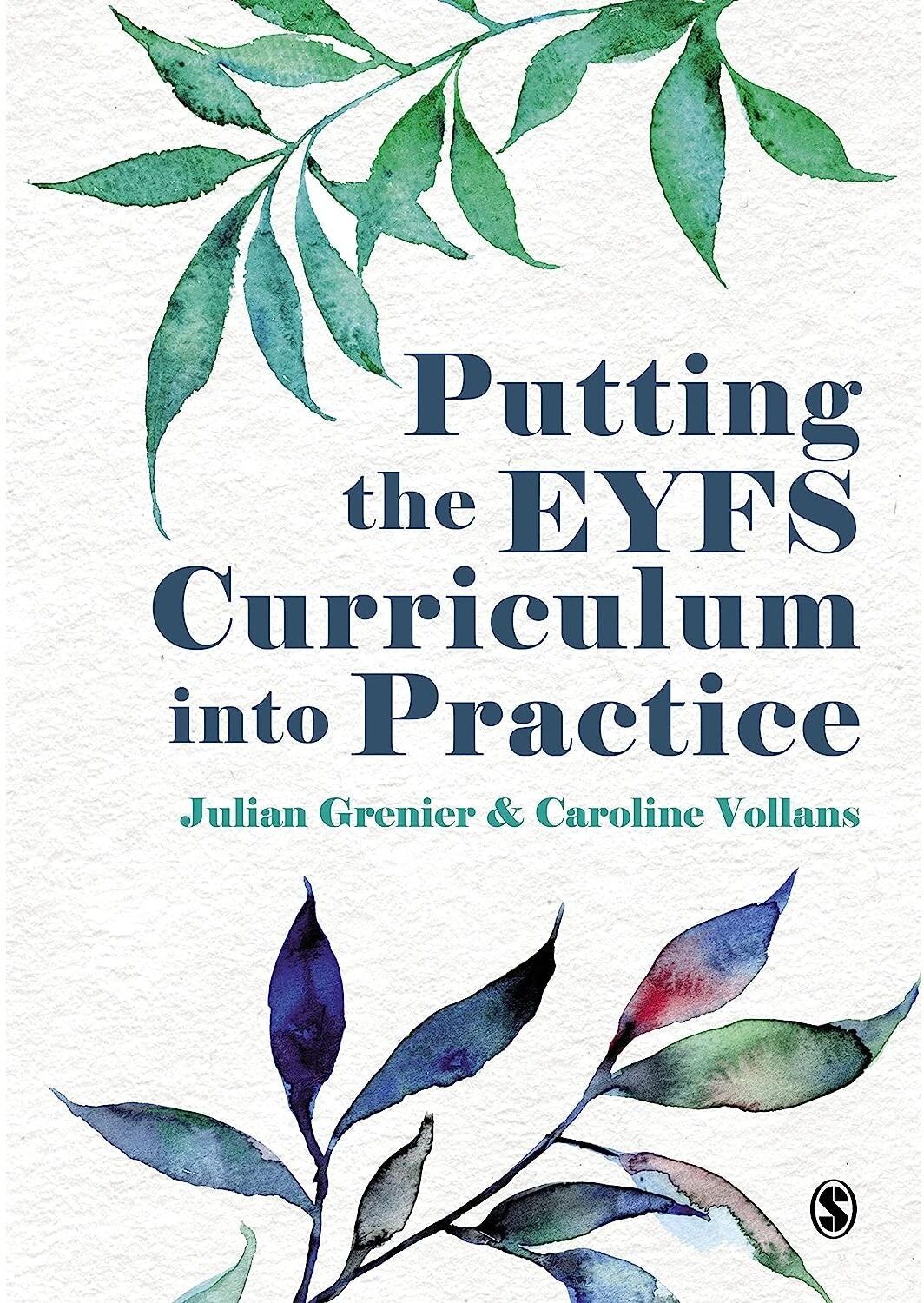
SAGE Publications Putting the EYFS Curriculum into PracticeHow should practitioners and leaders set about designing and implementing their curriculum in the Early Years Foundation Stage? Written by experts in the field, this book provides clear, practical guidance on each of the 7 areas of learning and development in the revised (2021) EYFS. Chapters cover key topics including, assessment, inclusion of children with SEND, English as an Additional Language, equalities, anti-racism, provision for disadvantaged children, professional development and using research and evidence.Designed for practising teachers, early years educators, students on early years degrees and trainee teachers, this engaging book provides an accessible guide to putting revised EYFS into practice.20,99 £*Shipping: 2,99 £Secure redirect to the provider
-
What is critical consciousness?
Critical consciousness is the ability to recognize and analyze social, political, and economic structures of power and oppression. It involves questioning the status quo, understanding the root causes of inequality and injustice, and taking action to challenge and change these systems. Critical consciousness also involves self-reflection and awareness of one's own biases and privileges, as well as empathy and solidarity with marginalized and oppressed groups. It is a key component of social justice and activism, as it empowers individuals to work towards a more equitable and just society. **
-
What were the pre-critical and critical periods in Immanuel Kant's life?
The pre-critical period in Immanuel Kant's life refers to the time before he published his most famous work, "Critique of Pure Reason" in 1781. During this period, Kant was primarily focused on teaching and writing on a variety of topics, including metaphysics, ethics, and aesthetics. It was during this time that he developed the philosophical ideas that would later form the basis of his critical philosophy. The critical period in Kant's life began with the publication of "Critique of Pure Reason" and continued with the subsequent publication of his other major works, such as "Critique of Practical Reason" and "Critique of Judgment." During this period, Kant's focus shifted to developing his critical philosophy, which aimed to reconcile rationalism and empiricism and address the limitations of human knowledge. This period marked a significant shift in Kant's thinking and solidified his reputation as one of the most important philosophers in Western thought. **
-
What is the difference between the historical-critical method and historical-critical exegesis?
The historical-critical method is a broad approach to studying and interpreting religious texts, which involves analyzing the historical and cultural context in which the text was written, as well as examining the language, literary style, and authorship of the text. Historical-critical exegesis, on the other hand, is a specific application of the historical-critical method to the interpretation of biblical texts. It focuses on understanding the original meaning of the biblical texts by considering their historical and cultural context, as well as the intentions of the original authors. In essence, historical-critical exegesis is a more focused and specific application of the broader historical-critical method to the interpretation of religious texts. **
-
What are social-critical poems?
Social-critical poems are works of poetry that address and critique social issues, injustices, and inequalities. These poems often shed light on the struggles and hardships faced by marginalized communities, and they may challenge the status quo or call for societal change. Social-critical poems can serve as a form of protest and activism, using the power of language and emotion to provoke thought and inspire action. They often aim to raise awareness, provoke empathy, and encourage readers to reflect on their own beliefs and behaviors. **
* All prices are inclusive of VAT and, if applicable, plus shipping costs. The offer information is based on the details provided by the respective shop and is updated through automated processes. Real-time updates do not occur, so deviations can occur in individual cases. ** Note: Parts of this content were created by AI.