Buy skepticshop.com ?
We are moving the project
skepticshop.com .
Are you interested in purchasing the domain
skepticshop.com ?
domain@kv-gmbh.de · 0541-91531010
Buy skepticshop.com ?
What are diverging plate tsunamis?
Diverging plate tsunamis are caused by the movement of tectonic plates away from each other, creating a gap or rift in the ocean floor. This movement can displace a large volume of water, triggering a tsunami. Diverging plate tsunamis are less common than subduction zone tsunamis, which occur when tectonic plates collide. However, they can still be powerful and destructive, especially in regions where divergent plate boundaries are active, such as the East African Rift. **
Why do short-sighted people need diverging lenses?
Short-sighted people, also known as myopic individuals, have difficulty seeing distant objects clearly. This is because their eyes focus the image in front of the retina instead of directly on it. Diverging lenses are used to correct this by spreading out the light rays before they enter the eye, allowing the image to be focused correctly on the retina. This helps to improve the clarity of distant vision for short-sighted individuals. **

Similar search terms for Diverging
Top-Angebote
Products related to Diverging:
-
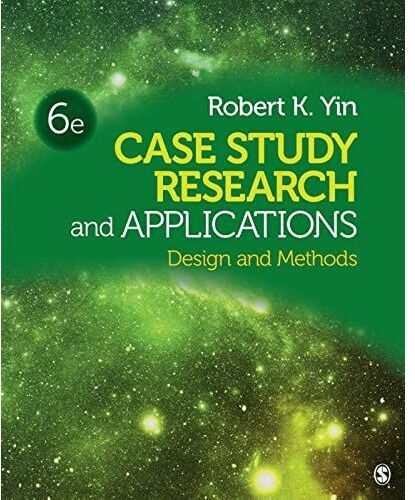
SAGE Publications Case Study Research and Applications: Design and MethodsRecognized as one of the most cited methodology books in the social sciences, the Sixth Edition of Robert K. Yin′s bestselling text provides a complete portal to the world of case study research. With the integration of 11 applications in this edition, the book gives readers access to exemplary case studies drawn from a wide variety of academic and applied fields. Ultimately, Case Study Research and Applications will guide students in the successful use and application of the case study research method.59,99 £*Shipping: 0,00 £Secure redirect to the provider
-
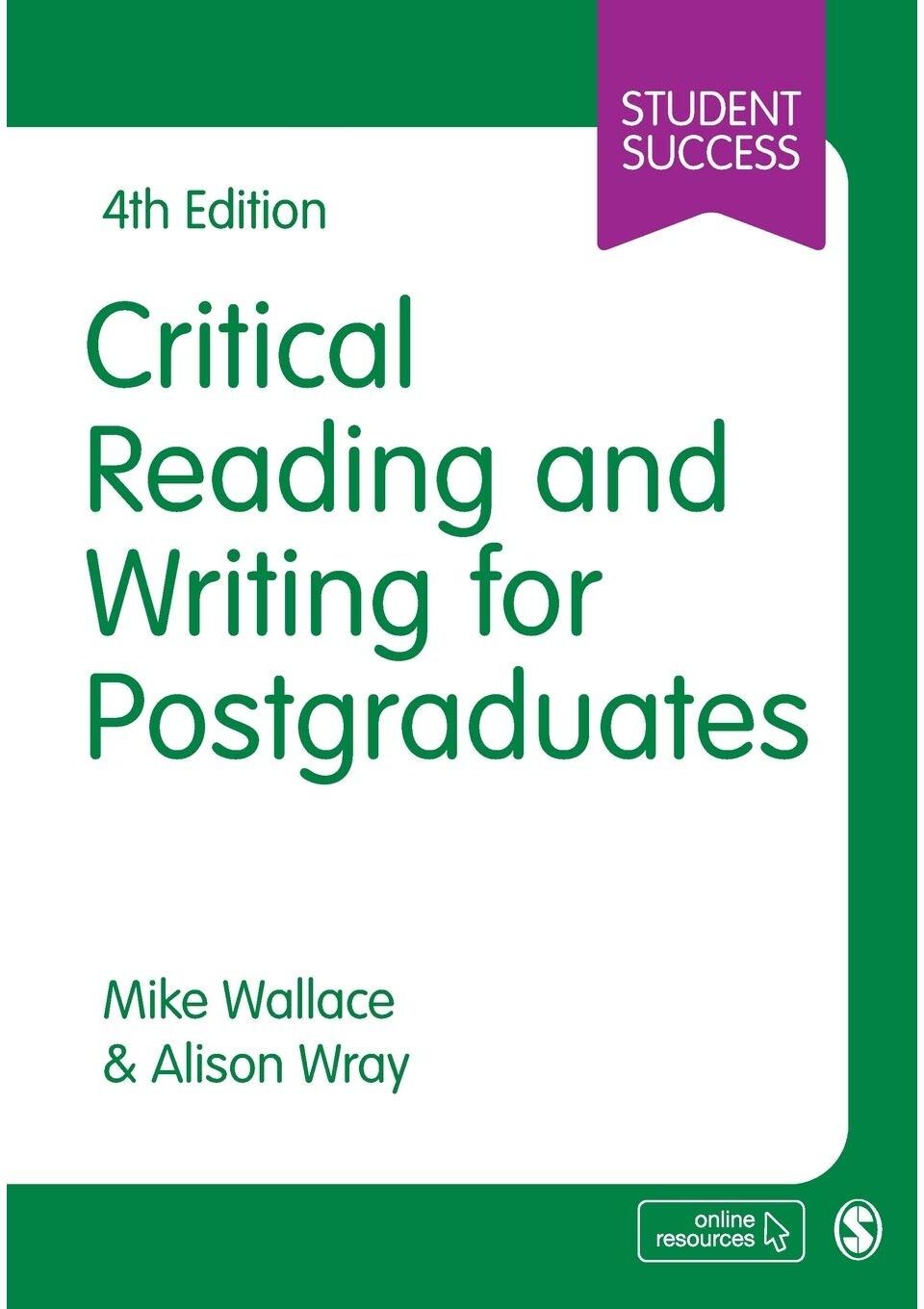
SAGE Publications Critical Reading and Writing for Postgraduates (Student Success)Reading critically, and writing using critical techniques, are crucial skills you need to apply to your academic work. If you need to engage with published (or unpublished) literature such as essays, dissertations or theses, research papers or oral presentations, this proven guide helps you develop a reflective and advanced critical approach to your research and writing. New to this edition: Two new chapters on basic and advanced writing skills More advice on self-bias and perception Updates and additional examples throughout Updated online resources providing additional support. A Companion Website provides additional resources to help you apply the critical techniques you learn. From templates and checklists, access to SAGE journal articles and additional case studies, these free resources will make sure you successfully master advanced critical skills.18,95 £*Shipping: 2,99 £Secure redirect to the provider
-
Blink Publishing Ltd Battle Ready: Eliminate Doubt, Embrace Courage, Transform Your Life by Ollie OllertonBattle Ready: Eliminate Doubt, Embrace Courage, Transform Your Life by Ollie Ollerton How do you make a commitment and achieve your goals? How do you end procrastination and hesitation that feeds self-doubt? How do you learn to be courageous in all aspects of your life? Ex-Special Forces soldier Ollie Ollerton knows more than his fair share about keeping going. As a recruit he survived the infamously tough SAS selection process on a busted ankle with the Directing Staff pleading with him to give up. But it's in Ollie's personal life that he really had to dig deep. At his lowest he was battling a failed relationship, substance abuse, depression and a reckless disregard for his own life. In his new book Ollie tells the story of how he turned his life around and passes on the lessons he has learned. In Battle Ready Ollie shares the step-by-step plan that changed his life. From finding purpose and visualising an outcome, to breaking bad habits and establishing positive new routines, his advice will help readers to overcome their own obstacles; to become ready for any battle.2,52 £*Shipping: 1,99 £Secure redirect to the provider


-
What are the properties of diverging and converging lenses?
Diverging lenses are thinner at the center than at the edges and cause parallel light rays to spread out, or diverge. This results in the formation of virtual images that are always upright and smaller than the object. Converging lenses are thicker at the center than at the edges and cause parallel light rays to converge to a focal point. This results in the formation of real images that can be either upright or inverted, depending on the object's distance from the lens. **
-
Is the converging lens the same as the diverging lens?
No, a converging lens and a diverging lens are not the same. A converging lens is thicker in the middle and causes parallel rays of light to converge at a focal point, while a diverging lens is thinner in the middle and causes parallel rays of light to diverge. Converging lenses are used to create real images, while diverging lenses are used to create virtual images. Therefore, the two types of lenses have different optical properties and applications. **
-
What is the difference between a converging lens and a diverging lens?
A converging lens is thicker in the middle and thinner at the edges, causing light rays to converge at a focal point. This type of lens is often used in cameras and microscopes. On the other hand, a diverging lens is thinner in the middle and thicker at the edges, causing light rays to diverge. This type of lens is often used in correcting nearsightedness in eyeglasses. In summary, the main difference between the two types of lenses is how they bend light rays - converging lenses bring light rays together, while diverging lenses spread them apart. **
-
Are the differences in IQ between countries really only due to diverging education systems?
While education systems certainly play a significant role in shaping IQ levels within a country, they are not the sole factor responsible for differences in IQ between countries. Other factors such as genetics, socio-economic status, nutrition, healthcare, and cultural differences can also contribute to variations in IQ levels. Additionally, access to resources, quality of education, and societal attitudes towards learning can vary widely between countries, further influencing IQ disparities. Therefore, it is important to consider a range of factors when analyzing differences in IQ between countries, rather than attributing it solely to education systems. **

What are the differences and similarities between a converging lens and a diverging lens?
The main difference between a converging lens and a diverging lens is their ability to converge or diverge light rays. A converging lens, also known as a convex lens, causes parallel light rays to converge at a focal point, while a diverging lens, also known as a concave lens, causes parallel light rays to diverge. Both lenses have a focal point and focal length, but the converging lens has a real focal point, while the diverging lens has a virtual focal point. Additionally, converging lenses produce real and inverted images, while diverging lenses produce virtual and upright images. **
What is the difference in shape between a converging lens and a diverging lens?
A converging lens is thicker in the middle and thinner at the edges, causing light rays to converge at a focal point. In contrast, a diverging lens is thinner in the middle and thicker at the edges, causing light rays to diverge away from a focal point. This difference in shape results in the converging lens being able to focus light to a point, while the diverging lens spreads out light. **
Top-Angebote
Products related to Diverging:
-
Research-powered Eye Duo - Skincare Kit Charlotte Tilbury 3315 Charlotte's Research-powered Eye Duo Size:Darlings, unlock the secret to eyes that appear brighter, depuffed, smoother and younger with my Research-Powered Eye Duo! This CharlotteTilbury.com EXCLUSIVE skincare duo includes:94,05 £*Shipping: 0,00 £Secure redirect to the provider
-
SAGE Publications Case Study Research and Applications: Design and MethodsRecognized as one of the most cited methodology books in the social sciences, the Sixth Edition of Robert K. Yin′s bestselling text provides a complete portal to the world of case study research. With the integration of 11 applications in this edition, the book gives readers access to exemplary case studies drawn from a wide variety of academic and applied fields. Ultimately, Case Study Research and Applications will guide students in the successful use and application of the case study research method.59,99 £*Shipping: 0,00 £Secure redirect to the provider
-
SAGE Publications Critical Reading and Writing for Postgraduates (Student Success)Reading critically, and writing using critical techniques, are crucial skills you need to apply to your academic work. If you need to engage with published (or unpublished) literature such as essays, dissertations or theses, research papers or oral presentations, this proven guide helps you develop a reflective and advanced critical approach to your research and writing. New to this edition: Two new chapters on basic and advanced writing skills More advice on self-bias and perception Updates and additional examples throughout Updated online resources providing additional support. A Companion Website provides additional resources to help you apply the critical techniques you learn. From templates and checklists, access to SAGE journal articles and additional case studies, these free resources will make sure you successfully master advanced critical skills.18,95 £*Shipping: 2,99 £Secure redirect to the provider
-
What are diverging plate tsunamis?
Diverging plate tsunamis are caused by the movement of tectonic plates away from each other, creating a gap or rift in the ocean floor. This movement can displace a large volume of water, triggering a tsunami. Diverging plate tsunamis are less common than subduction zone tsunamis, which occur when tectonic plates collide. However, they can still be powerful and destructive, especially in regions where divergent plate boundaries are active, such as the East African Rift. **
-
Why do short-sighted people need diverging lenses?
Short-sighted people, also known as myopic individuals, have difficulty seeing distant objects clearly. This is because their eyes focus the image in front of the retina instead of directly on it. Diverging lenses are used to correct this by spreading out the light rays before they enter the eye, allowing the image to be focused correctly on the retina. This helps to improve the clarity of distant vision for short-sighted individuals. **
-
What are the properties of diverging and converging lenses?
Diverging lenses are thinner at the center than at the edges and cause parallel light rays to spread out, or diverge. This results in the formation of virtual images that are always upright and smaller than the object. Converging lenses are thicker at the center than at the edges and cause parallel light rays to converge to a focal point. This results in the formation of real images that can be either upright or inverted, depending on the object's distance from the lens. **
-
Is the converging lens the same as the diverging lens?
No, a converging lens and a diverging lens are not the same. A converging lens is thicker in the middle and causes parallel rays of light to converge at a focal point, while a diverging lens is thinner in the middle and causes parallel rays of light to diverge. Converging lenses are used to create real images, while diverging lenses are used to create virtual images. Therefore, the two types of lenses have different optical properties and applications. **
Similar search terms for Diverging
-
Blink Publishing Ltd Battle Ready: Eliminate Doubt, Embrace Courage, Transform Your Life by Ollie OllertonBattle Ready: Eliminate Doubt, Embrace Courage, Transform Your Life by Ollie Ollerton How do you make a commitment and achieve your goals? How do you end procrastination and hesitation that feeds self-doubt? How do you learn to be courageous in all aspects of your life? Ex-Special Forces soldier Ollie Ollerton knows more than his fair share about keeping going. As a recruit he survived the infamously tough SAS selection process on a busted ankle with the Directing Staff pleading with him to give up. But it's in Ollie's personal life that he really had to dig deep. At his lowest he was battling a failed relationship, substance abuse, depression and a reckless disregard for his own life. In his new book Ollie tells the story of how he turned his life around and passes on the lessons he has learned. In Battle Ready Ollie shares the step-by-step plan that changed his life. From finding purpose and visualising an outcome, to breaking bad habits and establishing positive new routines, his advice will help readers to overcome their own obstacles; to become ready for any battle.2,52 £*Shipping: 1,99 £Secure redirect to the provider
-
What is the difference between a converging lens and a diverging lens?
A converging lens is thicker in the middle and thinner at the edges, causing light rays to converge at a focal point. This type of lens is often used in cameras and microscopes. On the other hand, a diverging lens is thinner in the middle and thicker at the edges, causing light rays to diverge. This type of lens is often used in correcting nearsightedness in eyeglasses. In summary, the main difference between the two types of lenses is how they bend light rays - converging lenses bring light rays together, while diverging lenses spread them apart. **
-
Are the differences in IQ between countries really only due to diverging education systems?
While education systems certainly play a significant role in shaping IQ levels within a country, they are not the sole factor responsible for differences in IQ between countries. Other factors such as genetics, socio-economic status, nutrition, healthcare, and cultural differences can also contribute to variations in IQ levels. Additionally, access to resources, quality of education, and societal attitudes towards learning can vary widely between countries, further influencing IQ disparities. Therefore, it is important to consider a range of factors when analyzing differences in IQ between countries, rather than attributing it solely to education systems. **
-
What are the differences and similarities between a converging lens and a diverging lens?
The main difference between a converging lens and a diverging lens is their ability to converge or diverge light rays. A converging lens, also known as a convex lens, causes parallel light rays to converge at a focal point, while a diverging lens, also known as a concave lens, causes parallel light rays to diverge. Both lenses have a focal point and focal length, but the converging lens has a real focal point, while the diverging lens has a virtual focal point. Additionally, converging lenses produce real and inverted images, while diverging lenses produce virtual and upright images. **
-
What is the difference in shape between a converging lens and a diverging lens?
A converging lens is thicker in the middle and thinner at the edges, causing light rays to converge at a focal point. In contrast, a diverging lens is thinner in the middle and thicker at the edges, causing light rays to diverge away from a focal point. This difference in shape results in the converging lens being able to focus light to a point, while the diverging lens spreads out light. **
* All prices are inclusive of VAT and, if applicable, plus shipping costs. The offer information is based on the details provided by the respective shop and is updated through automated processes. Real-time updates do not occur, so deviations can occur in individual cases. ** Note: Parts of this content were created by AI.