Buy skepticshop.com ?
We are moving the project
skepticshop.com .
Are you interested in purchasing the domain
skepticshop.com ?
domain@kv-gmbh.de · 0541-91531010
Buy skepticshop.com ?
Is an embryo or fetus parasitic?
No, an embryo or fetus is not considered parasitic. While it is true that an embryo or fetus relies on the mother's body for nourishment and support during pregnancy, it is not a parasite. A parasite is an organism that lives in or on another organism (the host) and benefits at the host's expense. In contrast, the relationship between a mother and her developing baby is a natural and symbiotic one, where both parties benefit from the relationship. **
How does the embryo develop into a fetus?
The embryo develops into a fetus through a process called embryogenesis. This process involves the rapid division and differentiation of cells, leading to the formation of the basic body plan and the development of major organs and systems. By the end of the eighth week of gestation, the embryo is considered a fetus, and most of the major organs and systems are in place, although they continue to grow and mature throughout the remainder of the pregnancy. The fetus continues to develop and grow in size and complexity until it is ready to be born. **

Similar search terms for Fetus
Top-Angebote
Products related to Fetus:
-
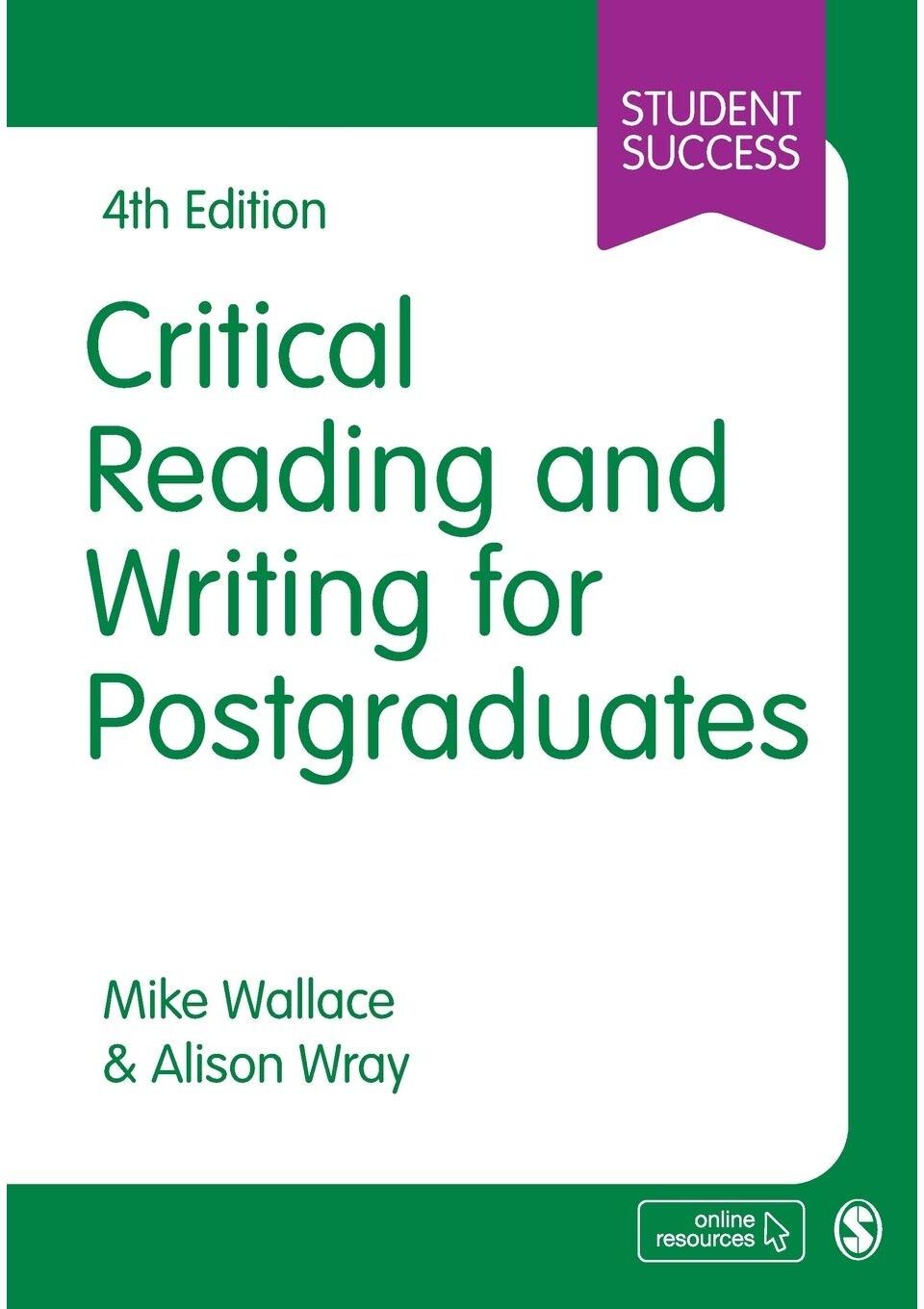
SAGE Publications Critical Reading and Writing for Postgraduates (Student Success)Reading critically, and writing using critical techniques, are crucial skills you need to apply to your academic work. If you need to engage with published (or unpublished) literature such as essays, dissertations or theses, research papers or oral presentations, this proven guide helps you develop a reflective and advanced critical approach to your research and writing. New to this edition: Two new chapters on basic and advanced writing skills More advice on self-bias and perception Updates and additional examples throughout Updated online resources providing additional support. A Companion Website provides additional resources to help you apply the critical techniques you learn. From templates and checklists, access to SAGE journal articles and additional case studies, these free resources will make sure you successfully master advanced critical skills.18,95 £*Shipping: 2,99 £Secure redirect to the provider
-
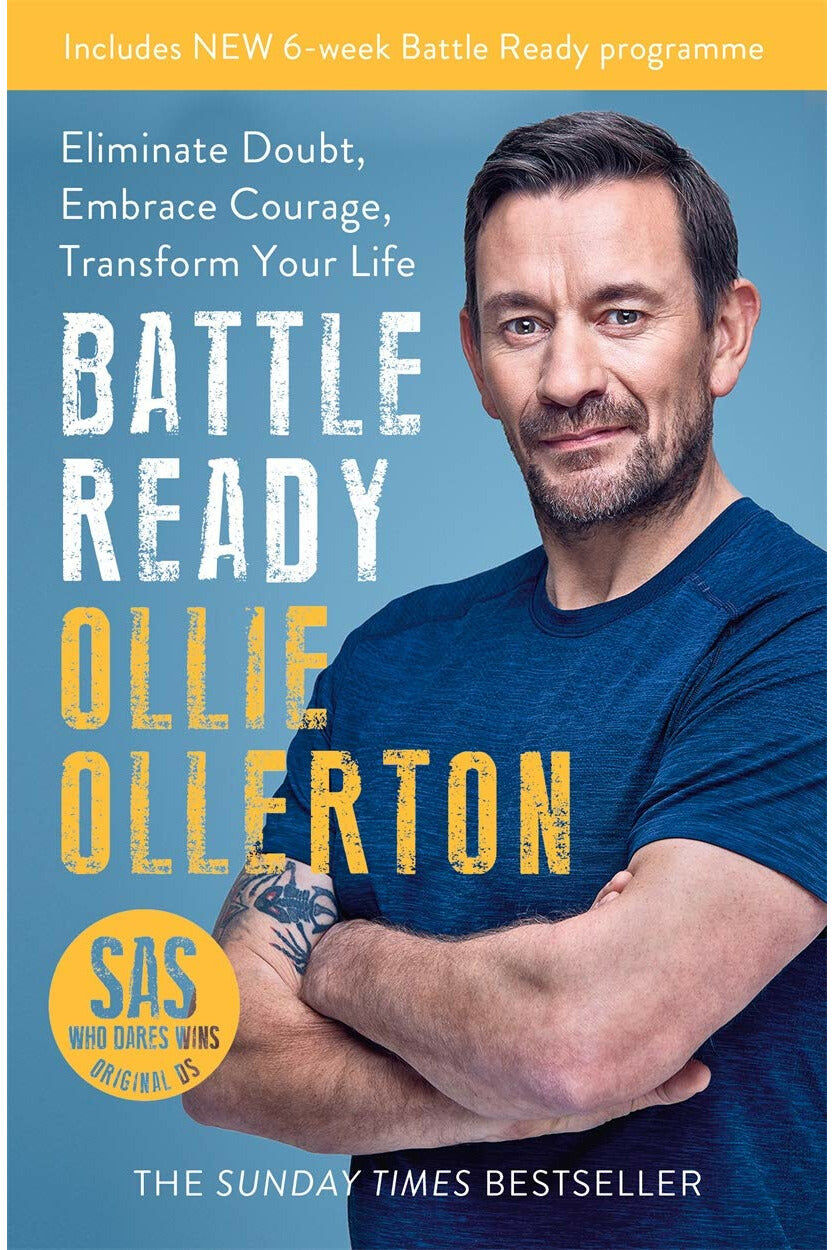
Blink Publishing Ltd Battle Ready: Eliminate Doubt, Embrace Courage, Transform Your Life by Ollie OllertonBattle Ready: Eliminate Doubt, Embrace Courage, Transform Your Life by Ollie Ollerton How do you make a commitment and achieve your goals? How do you end procrastination and hesitation that feeds self-doubt? How do you learn to be courageous in all aspects of your life? Ex-Special Forces soldier Ollie Ollerton knows more than his fair share about keeping going. As a recruit he survived the infamously tough SAS selection process on a busted ankle with the Directing Staff pleading with him to give up. But it's in Ollie's personal life that he really had to dig deep. At his lowest he was battling a failed relationship, substance abuse, depression and a reckless disregard for his own life. In his new book Ollie tells the story of how he turned his life around and passes on the lessons he has learned. In Battle Ready Ollie shares the step-by-step plan that changed his life. From finding purpose and visualising an outcome, to breaking bad habits and establishing positive new routines, his advice will help readers to overcome their own obstacles; to become ready for any battle.2,52 £*Shipping: 1,99 £Secure redirect to the provider
-
Jessica Nails Jessica Critical Care - Intensive Care for Soft Nails 14.8mlDiscover for yourself how beautiful your nails can be with the assistance of treatments from the foremost authority on natural nail care. Jessica Nails have created a system of natural nail care unparalleled in its beauty and efficacy. The Jessica System is the first word in nail care for celebrities, starlets, journalists and luminaries around the world.21,50 £*Shipping: 2,95 £Secure redirect to the provider
-
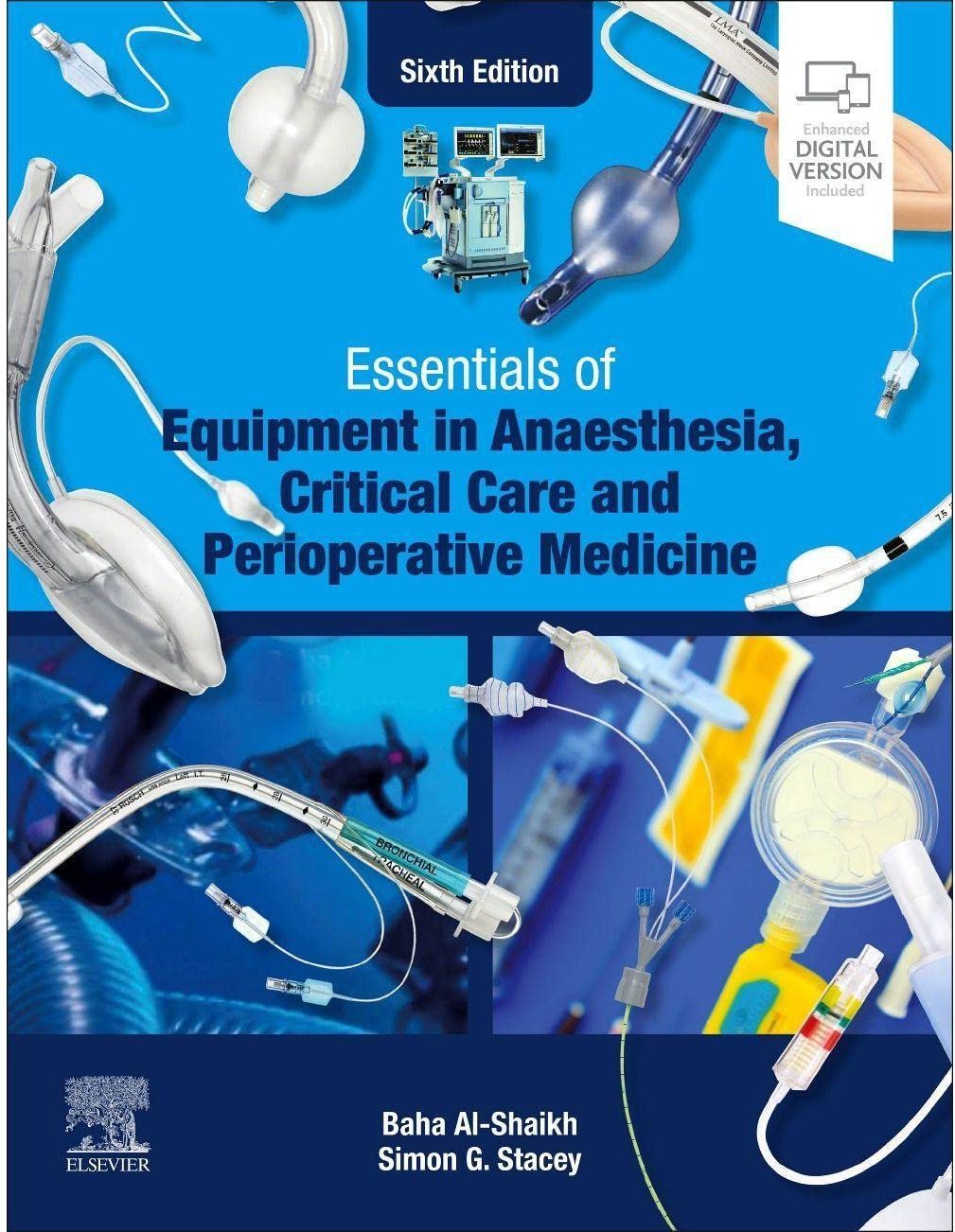
Elsevier Essentials of Equipment in Anaesthesia, Critical Care and Perioperative MedicineEasy to read and follow, Essentials of Equipment in Anaesthesia, Critical Care and Perioperative Medicine makes an otherwise dry subject digestible and easy to learn. This practical textbook comprehensively covers all the equipment used in the operating theatre and intensive care unit, including why it is used and any related safety concerns. It has been fully updated in its sixth edition to include new technologies introduced during the Covid-19 pandemic. This is ideal as the main text for all trainees undertaking the primary FRCA exams and is also suitable anyone who works with anaesthetic equipment, including anaesthetic and intensive care nurses and operating department practitioners. It features concise and consistent text and illustrations, self-assessment features, and exam tips. Portable, concise and simply formatted - a perfect practical companion Clear coloured images and illustrations bring the text to life Follows the Royal College of Anaesthetists postgraduate training and exam syllabus Summary boxes, more than 100 exam style questions, and OSCE stations and exam tips all aid the reader in exam revision Covers new equipment and fully updated relevant to current practice Suggested further reading fully updated New information on: Aladin Cassettes; Glostavent machine; CONTRAfluran system; videolaryngoscopy and high definition camera use in intubation and endoscopy; use of ultrasound in epidural; Penthrox; NRFit devices; Cell saver; ECMO38,99 £*Shipping: 0,00 £Secure redirect to the provider

-
Does the embryo-fetus feel pain during an abortion?
The question of whether an embryo or fetus can feel pain during an abortion is a topic of debate among medical professionals and researchers. Some studies suggest that the neurological development necessary to perceive pain does not occur until later in pregnancy, while others argue that the fetus may be capable of feeling pain earlier. Ultimately, the answer to this question is not definitively known, and it is a complex and controversial issue with differing perspectives. **
-
Is abortion legitimate if the fetus could be artificially raised?
The legitimacy of abortion is a complex and deeply personal issue that is often influenced by a variety of factors including personal beliefs, cultural norms, and legal considerations. The question of whether abortion is legitimate if the fetus could be artificially raised raises ethical and moral considerations. Some may argue that if the fetus could be artificially raised to viability, then abortion may not be legitimate as there is potential for the fetus to develop into a viable human being. Others may argue that a woman's right to make decisions about her own body should take precedence, regardless of the potential for artificial gestation. Ultimately, the legitimacy of abortion is a deeply nuanced issue that varies depending on individual perspectives and beliefs. **
-
What is the difference between an embryo and a fetus?
An embryo is the early stage of development of a multicellular organism, which in humans is from fertilization to about 8 weeks of gestation. During this stage, the major organs and structures of the organism begin to form. A fetus, on the other hand, is the later stage of development, from about 9 weeks of gestation until birth. During this stage, the organs and structures continue to grow and mature, and the fetus becomes more recognizable as a human being. **
-
Does an embryo-fetus already have all the characteristics of life?
Yes, an embryo-fetus already has all the characteristics of life. From the moment of conception, it has the ability to grow, develop, and respond to stimuli. It also has the capacity for metabolism, reproduction, and adaptation to its environment. Therefore, it meets all the criteria for being considered a living organism. **

Would you like to perform a genetic test on a stillborn fetus after a miscarriage?
The decision to perform a genetic test on a stillborn fetus after a miscarriage is a deeply personal one and depends on individual circumstances. Some people may want to understand the cause of the miscarriage for closure or to assess the risk of future miscarriages or genetic conditions. Others may prefer not to undergo testing due to emotional reasons or personal beliefs. It's important to consider the potential emotional impact and the information that may be gained from the test before making a decision. Consulting with a healthcare provider or genetic counselor can also provide valuable insight and support in making this decision. **
How likely is it to find an egg with a fetus in the egg carton?
It is extremely unlikely to find an egg with a fetus in the egg carton. Commercially sold eggs are typically unfertilized, meaning they do not contain a fetus. The eggs that we consume are collected from hens that have not been in contact with roosters, so the eggs do not have the potential to develop into a fetus. Therefore, the chances of finding a fetus in an egg carton are very low. **
Top-Angebote
Products related to Fetus:
-
Research-powered Eye Duo - Skincare Kit Charlotte Tilbury 3315 Charlotte's Research-powered Eye Duo Size:Darlings, unlock the secret to eyes that appear brighter, depuffed, smoother and younger with my Research-Powered Eye Duo! This CharlotteTilbury.com EXCLUSIVE skincare duo includes:94,05 £*Shipping: 0,00 £Secure redirect to the provider
-
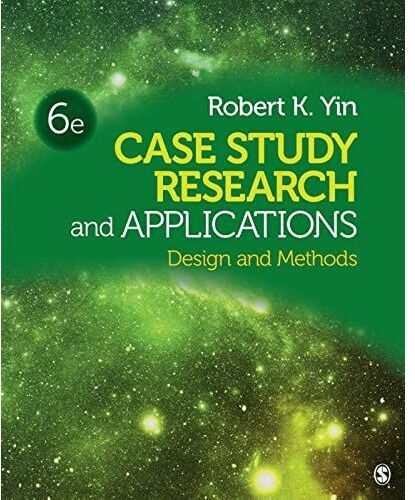
SAGE Publications Case Study Research and Applications: Design and MethodsRecognized as one of the most cited methodology books in the social sciences, the Sixth Edition of Robert K. Yin′s bestselling text provides a complete portal to the world of case study research. With the integration of 11 applications in this edition, the book gives readers access to exemplary case studies drawn from a wide variety of academic and applied fields. Ultimately, Case Study Research and Applications will guide students in the successful use and application of the case study research method.59,99 £*Shipping: 0,00 £Secure redirect to the provider
-
SAGE Publications Critical Reading and Writing for Postgraduates (Student Success)Reading critically, and writing using critical techniques, are crucial skills you need to apply to your academic work. If you need to engage with published (or unpublished) literature such as essays, dissertations or theses, research papers or oral presentations, this proven guide helps you develop a reflective and advanced critical approach to your research and writing. New to this edition: Two new chapters on basic and advanced writing skills More advice on self-bias and perception Updates and additional examples throughout Updated online resources providing additional support. A Companion Website provides additional resources to help you apply the critical techniques you learn. From templates and checklists, access to SAGE journal articles and additional case studies, these free resources will make sure you successfully master advanced critical skills.18,95 £*Shipping: 2,99 £Secure redirect to the provider
-
Blink Publishing Ltd Battle Ready: Eliminate Doubt, Embrace Courage, Transform Your Life by Ollie OllertonBattle Ready: Eliminate Doubt, Embrace Courage, Transform Your Life by Ollie Ollerton How do you make a commitment and achieve your goals? How do you end procrastination and hesitation that feeds self-doubt? How do you learn to be courageous in all aspects of your life? Ex-Special Forces soldier Ollie Ollerton knows more than his fair share about keeping going. As a recruit he survived the infamously tough SAS selection process on a busted ankle with the Directing Staff pleading with him to give up. But it's in Ollie's personal life that he really had to dig deep. At his lowest he was battling a failed relationship, substance abuse, depression and a reckless disregard for his own life. In his new book Ollie tells the story of how he turned his life around and passes on the lessons he has learned. In Battle Ready Ollie shares the step-by-step plan that changed his life. From finding purpose and visualising an outcome, to breaking bad habits and establishing positive new routines, his advice will help readers to overcome their own obstacles; to become ready for any battle.2,52 £*Shipping: 1,99 £Secure redirect to the provider
-
Is an embryo or fetus parasitic?
No, an embryo or fetus is not considered parasitic. While it is true that an embryo or fetus relies on the mother's body for nourishment and support during pregnancy, it is not a parasite. A parasite is an organism that lives in or on another organism (the host) and benefits at the host's expense. In contrast, the relationship between a mother and her developing baby is a natural and symbiotic one, where both parties benefit from the relationship. **
-
How does the embryo develop into a fetus?
The embryo develops into a fetus through a process called embryogenesis. This process involves the rapid division and differentiation of cells, leading to the formation of the basic body plan and the development of major organs and systems. By the end of the eighth week of gestation, the embryo is considered a fetus, and most of the major organs and systems are in place, although they continue to grow and mature throughout the remainder of the pregnancy. The fetus continues to develop and grow in size and complexity until it is ready to be born. **
-
Does the embryo-fetus feel pain during an abortion?
The question of whether an embryo or fetus can feel pain during an abortion is a topic of debate among medical professionals and researchers. Some studies suggest that the neurological development necessary to perceive pain does not occur until later in pregnancy, while others argue that the fetus may be capable of feeling pain earlier. Ultimately, the answer to this question is not definitively known, and it is a complex and controversial issue with differing perspectives. **
-
Is abortion legitimate if the fetus could be artificially raised?
The legitimacy of abortion is a complex and deeply personal issue that is often influenced by a variety of factors including personal beliefs, cultural norms, and legal considerations. The question of whether abortion is legitimate if the fetus could be artificially raised raises ethical and moral considerations. Some may argue that if the fetus could be artificially raised to viability, then abortion may not be legitimate as there is potential for the fetus to develop into a viable human being. Others may argue that a woman's right to make decisions about her own body should take precedence, regardless of the potential for artificial gestation. Ultimately, the legitimacy of abortion is a deeply nuanced issue that varies depending on individual perspectives and beliefs. **
Similar search terms for Fetus
-
Jessica Nails Jessica Critical Care - Intensive Care for Soft Nails 14.8mlDiscover for yourself how beautiful your nails can be with the assistance of treatments from the foremost authority on natural nail care. Jessica Nails have created a system of natural nail care unparalleled in its beauty and efficacy. The Jessica System is the first word in nail care for celebrities, starlets, journalists and luminaries around the world.21,50 £*Shipping: 2,95 £Secure redirect to the provider
-
Elsevier Essentials of Equipment in Anaesthesia, Critical Care and Perioperative MedicineEasy to read and follow, Essentials of Equipment in Anaesthesia, Critical Care and Perioperative Medicine makes an otherwise dry subject digestible and easy to learn. This practical textbook comprehensively covers all the equipment used in the operating theatre and intensive care unit, including why it is used and any related safety concerns. It has been fully updated in its sixth edition to include new technologies introduced during the Covid-19 pandemic. This is ideal as the main text for all trainees undertaking the primary FRCA exams and is also suitable anyone who works with anaesthetic equipment, including anaesthetic and intensive care nurses and operating department practitioners. It features concise and consistent text and illustrations, self-assessment features, and exam tips. Portable, concise and simply formatted - a perfect practical companion Clear coloured images and illustrations bring the text to life Follows the Royal College of Anaesthetists postgraduate training and exam syllabus Summary boxes, more than 100 exam style questions, and OSCE stations and exam tips all aid the reader in exam revision Covers new equipment and fully updated relevant to current practice Suggested further reading fully updated New information on: Aladin Cassettes; Glostavent machine; CONTRAfluran system; videolaryngoscopy and high definition camera use in intubation and endoscopy; use of ultrasound in epidural; Penthrox; NRFit devices; Cell saver; ECMO38,99 £*Shipping: 0,00 £Secure redirect to the provider
-
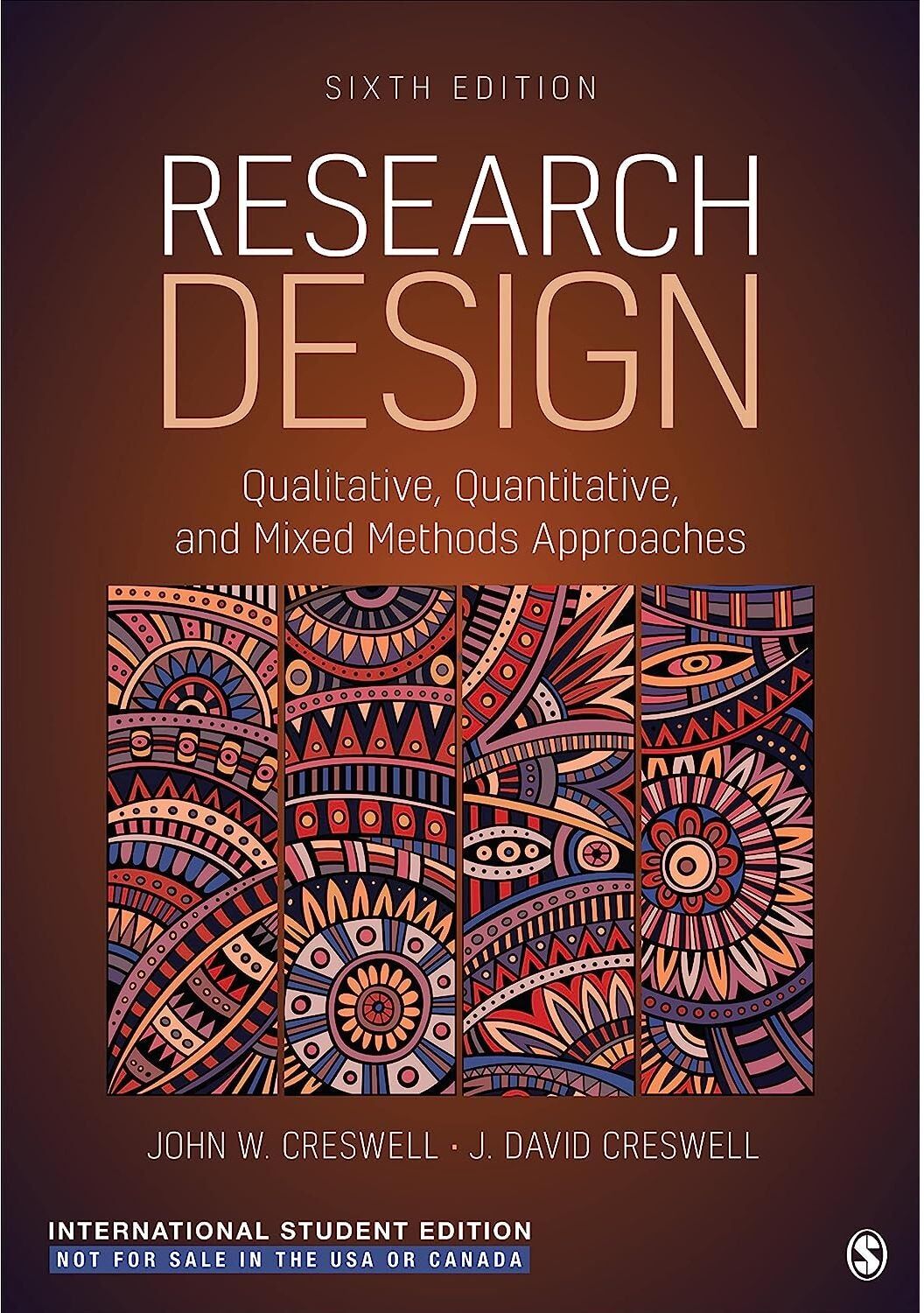
SAGE Publications Research Design - International Student Edition: Qualitative, Quantitative, and Mixed Methods ApproachesThe new edition of the best-selling text, Research Design: Qualitative, Quantitative, and Mixed Methods Approaches, continues the pioneering tradition of providing clear and concise instruction for understanding research and developing proposals for all three approaches. John W. Creswell and co-author J. David Creswell include a preliminary consideration of philosophical assumptions, a review of the literature, an assessment of the use of theory in research approaches, and reflections about the importance of writing and ethics in scholarly inquiry in a way that is applicable to all types of research. Key elements of the research process, giving specific attention to each approach. The book has been lauded for its language and tone, which are both accessible and inviting. It is a text that students keep and continue to use as a resource throughout their studies, once the specific class is over. The Sixth Edition includes more coverage of community-based participatory research, comparisons of qualitative and quantitative research, an expanded glossary with basic terms, updated examples of social, behavioural, and health research, new coverage of ethical requirements, updated APA 7th edition coverage, and additional exercises aimed at research projects.59,95 £*Shipping: 0,00 £Secure redirect to the provider
-
What is the difference between an embryo and a fetus?
An embryo is the early stage of development of a multicellular organism, which in humans is from fertilization to about 8 weeks of gestation. During this stage, the major organs and structures of the organism begin to form. A fetus, on the other hand, is the later stage of development, from about 9 weeks of gestation until birth. During this stage, the organs and structures continue to grow and mature, and the fetus becomes more recognizable as a human being. **
-
Does an embryo-fetus already have all the characteristics of life?
Yes, an embryo-fetus already has all the characteristics of life. From the moment of conception, it has the ability to grow, develop, and respond to stimuli. It also has the capacity for metabolism, reproduction, and adaptation to its environment. Therefore, it meets all the criteria for being considered a living organism. **
-
Would you like to perform a genetic test on a stillborn fetus after a miscarriage?
The decision to perform a genetic test on a stillborn fetus after a miscarriage is a deeply personal one and depends on individual circumstances. Some people may want to understand the cause of the miscarriage for closure or to assess the risk of future miscarriages or genetic conditions. Others may prefer not to undergo testing due to emotional reasons or personal beliefs. It's important to consider the potential emotional impact and the information that may be gained from the test before making a decision. Consulting with a healthcare provider or genetic counselor can also provide valuable insight and support in making this decision. **
-
How likely is it to find an egg with a fetus in the egg carton?
It is extremely unlikely to find an egg with a fetus in the egg carton. Commercially sold eggs are typically unfertilized, meaning they do not contain a fetus. The eggs that we consume are collected from hens that have not been in contact with roosters, so the eggs do not have the potential to develop into a fetus. Therefore, the chances of finding a fetus in an egg carton are very low. **
* All prices are inclusive of VAT and, if applicable, plus shipping costs. The offer information is based on the details provided by the respective shop and is updated through automated processes. Real-time updates do not occur, so deviations can occur in individual cases. ** Note: Parts of this content were created by AI.