Buy skepticshop.com ?
We are moving the project
skepticshop.com .
Are you interested in purchasing the domain
skepticshop.com ?
domain@kv-gmbh.de · 0541-91531010
Buy skepticshop.com ?
Are zebras horses?
Zebras are not horses, but they are closely related to them. Both zebras and horses belong to the same genus, Equus, and share similar physical characteristics. However, zebras have distinct black and white striped coats, while horses have solid-colored coats. Additionally, zebras have never been successfully domesticated like horses have. **
Are zebras actually horses?
No, zebras are not actually horses. While both zebras and horses belong to the same family, Equidae, they are different species. Zebras have distinct black and white stripes, are smaller in size, and have a different social structure compared to horses. Additionally, zebras have never been successfully domesticated like horses have been. **

Similar search terms for Zebras
Top-Angebote
Products related to Zebras:
-
Research-powered Eye Duo - Skincare Kit Charlotte Tilbury 3265 Charlotte's Research-powered Eye Duo Size:Darlings, unlock the secret to eyes that appear brighter, depuffed, smoother and younger with my Research-Powered Eye Duo! This CharlotteTilbury.com EXCLUSIVE skincare duo includes:94,05 £*Shipping: 0,00 £Secure redirect to the provider
-
SAGE Publications Case Study Research and Applications: Design and MethodsRecognized as one of the most cited methodology books in the social sciences, the Sixth Edition of Robert K. Yin′s bestselling text provides a complete portal to the world of case study research. With the integration of 11 applications in this edition, the book gives readers access to exemplary case studies drawn from a wide variety of academic and applied fields. Ultimately, Case Study Research and Applications will guide students in the successful use and application of the case study research method.59,99 £*Shipping: 0,00 £Secure redirect to the provider
-
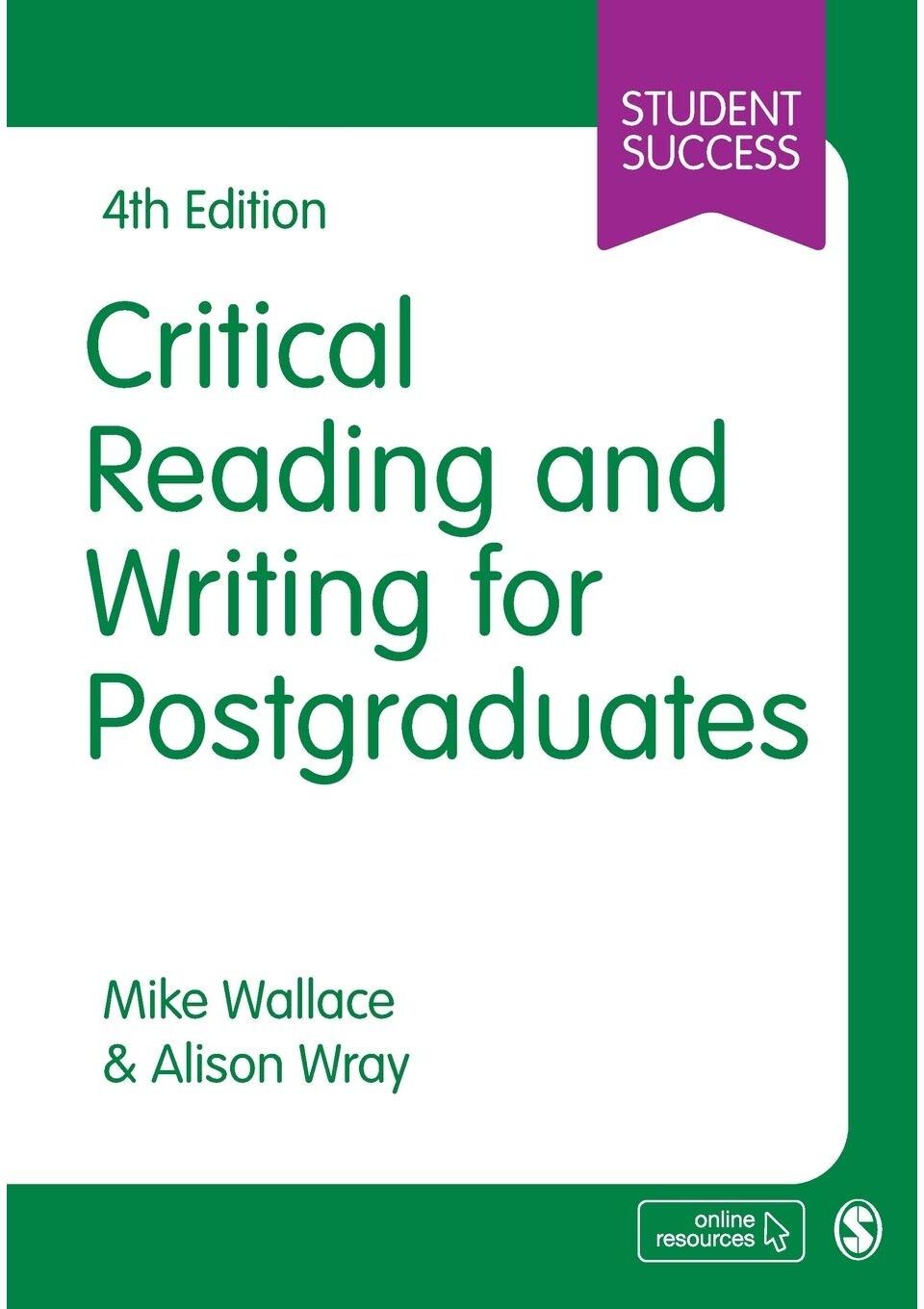
SAGE Publications Critical Reading and Writing for Postgraduates (Student Success)Reading critically, and writing using critical techniques, are crucial skills you need to apply to your academic work. If you need to engage with published (or unpublished) literature such as essays, dissertations or theses, research papers or oral presentations, this proven guide helps you develop a reflective and advanced critical approach to your research and writing. New to this edition: Two new chapters on basic and advanced writing skills More advice on self-bias and perception Updates and additional examples throughout Updated online resources providing additional support. A Companion Website provides additional resources to help you apply the critical techniques you learn. From templates and checklists, access to SAGE journal articles and additional case studies, these free resources will make sure you successfully master advanced critical skills.18,95 £*Shipping: 2,99 £Secure redirect to the provider
-
Blink Publishing Ltd Battle Ready: Eliminate Doubt, Embrace Courage, Transform Your Life by Ollie OllertonBattle Ready: Eliminate Doubt, Embrace Courage, Transform Your Life by Ollie Ollerton How do you make a commitment and achieve your goals? How do you end procrastination and hesitation that feeds self-doubt? How do you learn to be courageous in all aspects of your life? Ex-Special Forces soldier Ollie Ollerton knows more than his fair share about keeping going. As a recruit he survived the infamously tough SAS selection process on a busted ankle with the Directing Staff pleading with him to give up. But it's in Ollie's personal life that he really had to dig deep. At his lowest he was battling a failed relationship, substance abuse, depression and a reckless disregard for his own life. In his new book Ollie tells the story of how he turned his life around and passes on the lessons he has learned. In Battle Ready Ollie shares the step-by-step plan that changed his life. From finding purpose and visualising an outcome, to breaking bad habits and establishing positive new routines, his advice will help readers to overcome their own obstacles; to become ready for any battle.2,52 £*Shipping: 1,99 £Secure redirect to the provider



-
Are zebras wild horses?
No, zebras are not wild horses. While both zebras and horses belong to the same family (Equidae), they are different species. Zebras are native to Africa and have distinct black and white striped coats, while horses have solid-colored coats. Additionally, zebras have never been domesticated like horses have been for various purposes. **
-
Are there dwarf zebras?
No, there are no dwarf zebras. Zebras are a species of wild horse native to Africa and they come in a variety of sizes, but there is no specific dwarf subspecies of zebras. Zebras typically range in size from about 4 to 5 feet tall at the shoulder and can weigh anywhere from 440 to 990 pounds. **
-
How do zebras neigh?
Zebras neigh by making a high-pitched, whinnying sound. Their neighing is similar to that of a horse, but it is typically higher in pitch and more shrill. Zebras use their neighing as a form of communication with each other, especially during times of distress or excitement. This vocalization helps them to stay connected with their herd and alert each other to potential dangers. **
-
Are there black zebras?
No, there are no black zebras. Zebras have a white coat with black stripes, not the other way around. The black stripes are caused by the production of a pigment called eumelanin, while the white background is due to the lack of this pigment in certain areas of the skin. This unique coloration helps zebras to blend in with each other and confuse predators. **

Can you really ride zebras?
While it is technically possible to ride a zebra, it is not recommended or ethical to do so. Zebras are wild animals and are not domesticated like horses. Attempting to ride a zebra can be dangerous for both the rider and the animal, as zebras are known to be unpredictable and can become aggressive when feeling threatened. It is important to respect wild animals and their natural behaviors, and to find alternative ways to appreciate and interact with them in a safe and responsible manner. **
Are zebras suitable for riding?
Zebras are not suitable for riding. They are wild animals and have not been domesticated like horses. Zebras have a different temperament compared to horses and can be more unpredictable and aggressive. Additionally, zebras have a different body structure and gait than horses, making them uncomfortable to ride. It is safer and more ethical to ride domesticated animals like horses that have been specifically bred and trained for riding. **
Top-Angebote
Products related to Zebras:
-
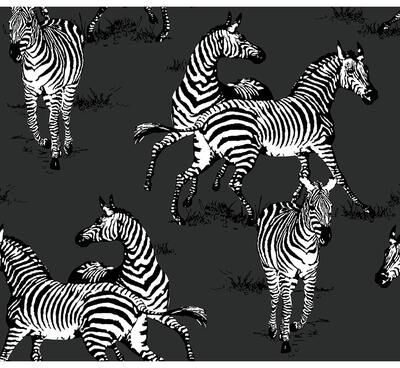
Tempaper Zebras In Love by Novogratz Peel and Stick WallpaperPlayful Zebras are seen sharing a walk, skip and maybe a kiss. A fresh pattern that can uplift the mood of any room. The Novogratz X Donald pattern was designed based on wallpaper found in The Novogratzes' Waverly Place renovation project.27,99 $*Shipping: 0,00 $Secure redirect to the provider
-
Research-powered Eye Duo - Skincare Kit Charlotte Tilbury 3265 Charlotte's Research-powered Eye Duo Size:Darlings, unlock the secret to eyes that appear brighter, depuffed, smoother and younger with my Research-Powered Eye Duo! This CharlotteTilbury.com EXCLUSIVE skincare duo includes:94,05 £*Shipping: 0,00 £Secure redirect to the provider
-
SAGE Publications Case Study Research and Applications: Design and MethodsRecognized as one of the most cited methodology books in the social sciences, the Sixth Edition of Robert K. Yin′s bestselling text provides a complete portal to the world of case study research. With the integration of 11 applications in this edition, the book gives readers access to exemplary case studies drawn from a wide variety of academic and applied fields. Ultimately, Case Study Research and Applications will guide students in the successful use and application of the case study research method.59,99 £*Shipping: 0,00 £Secure redirect to the provider
-
Are zebras horses?
Zebras are not horses, but they are closely related to them. Both zebras and horses belong to the same genus, Equus, and share similar physical characteristics. However, zebras have distinct black and white striped coats, while horses have solid-colored coats. Additionally, zebras have never been successfully domesticated like horses have. **
-
Are zebras actually horses?
No, zebras are not actually horses. While both zebras and horses belong to the same family, Equidae, they are different species. Zebras have distinct black and white stripes, are smaller in size, and have a different social structure compared to horses. Additionally, zebras have never been successfully domesticated like horses have been. **
-
Are zebras wild horses?
No, zebras are not wild horses. While both zebras and horses belong to the same family (Equidae), they are different species. Zebras are native to Africa and have distinct black and white striped coats, while horses have solid-colored coats. Additionally, zebras have never been domesticated like horses have been for various purposes. **
-
Are there dwarf zebras?
No, there are no dwarf zebras. Zebras are a species of wild horse native to Africa and they come in a variety of sizes, but there is no specific dwarf subspecies of zebras. Zebras typically range in size from about 4 to 5 feet tall at the shoulder and can weigh anywhere from 440 to 990 pounds. **
Similar search terms for Zebras
-
SAGE Publications Critical Reading and Writing for Postgraduates (Student Success)Reading critically, and writing using critical techniques, are crucial skills you need to apply to your academic work. If you need to engage with published (or unpublished) literature such as essays, dissertations or theses, research papers or oral presentations, this proven guide helps you develop a reflective and advanced critical approach to your research and writing. New to this edition: Two new chapters on basic and advanced writing skills More advice on self-bias and perception Updates and additional examples throughout Updated online resources providing additional support. A Companion Website provides additional resources to help you apply the critical techniques you learn. From templates and checklists, access to SAGE journal articles and additional case studies, these free resources will make sure you successfully master advanced critical skills.18,95 £*Shipping: 2,99 £Secure redirect to the provider
-
Blink Publishing Ltd Battle Ready: Eliminate Doubt, Embrace Courage, Transform Your Life by Ollie OllertonBattle Ready: Eliminate Doubt, Embrace Courage, Transform Your Life by Ollie Ollerton How do you make a commitment and achieve your goals? How do you end procrastination and hesitation that feeds self-doubt? How do you learn to be courageous in all aspects of your life? Ex-Special Forces soldier Ollie Ollerton knows more than his fair share about keeping going. As a recruit he survived the infamously tough SAS selection process on a busted ankle with the Directing Staff pleading with him to give up. But it's in Ollie's personal life that he really had to dig deep. At his lowest he was battling a failed relationship, substance abuse, depression and a reckless disregard for his own life. In his new book Ollie tells the story of how he turned his life around and passes on the lessons he has learned. In Battle Ready Ollie shares the step-by-step plan that changed his life. From finding purpose and visualising an outcome, to breaking bad habits and establishing positive new routines, his advice will help readers to overcome their own obstacles; to become ready for any battle.2,52 £*Shipping: 1,99 £Secure redirect to the provider
-
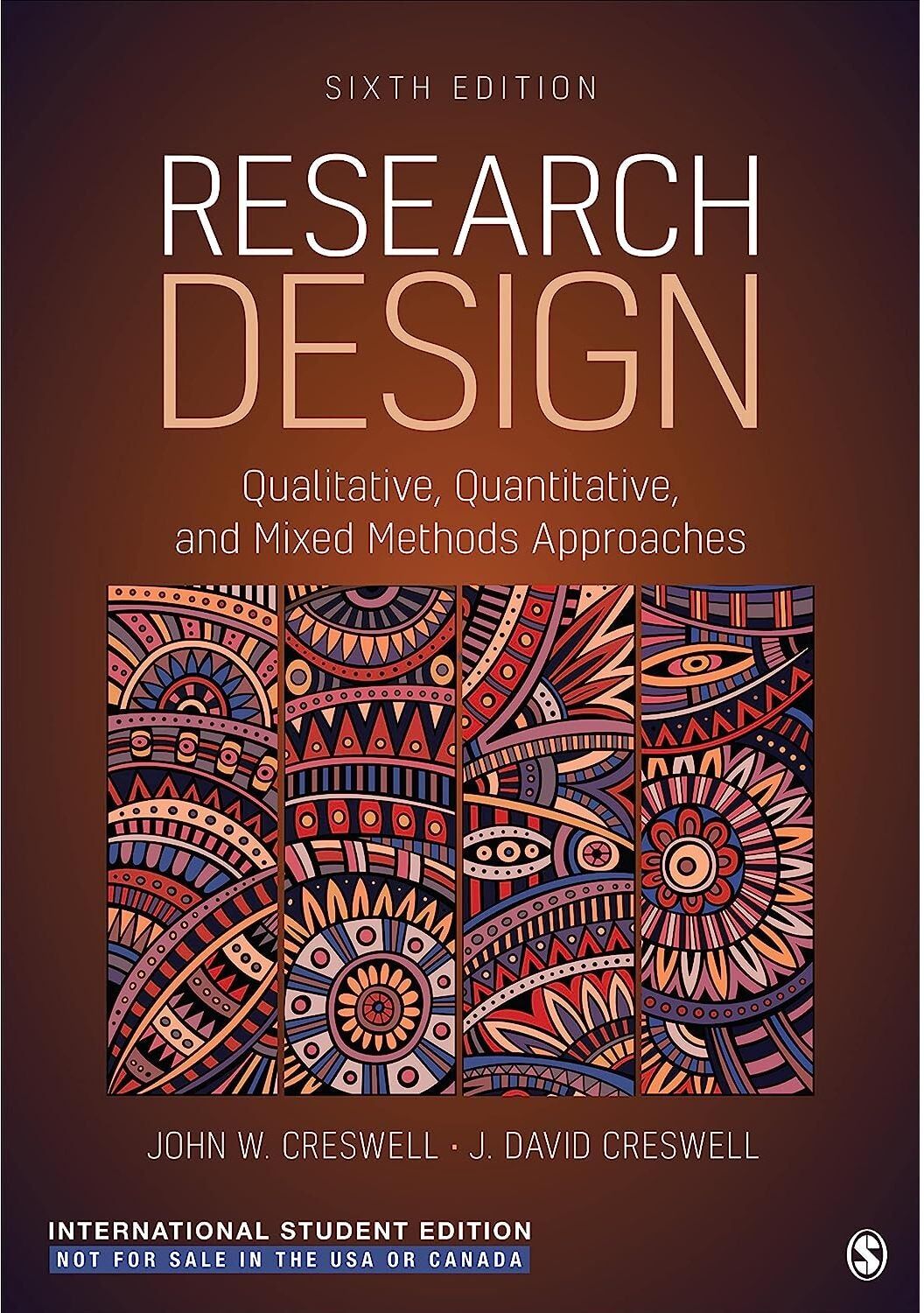
SAGE Publications Research Design - International Student Edition: Qualitative, Quantitative, and Mixed Methods ApproachesThe new edition of the best-selling text, Research Design: Qualitative, Quantitative, and Mixed Methods Approaches, continues the pioneering tradition of providing clear and concise instruction for understanding research and developing proposals for all three approaches. John W. Creswell and co-author J. David Creswell include a preliminary consideration of philosophical assumptions, a review of the literature, an assessment of the use of theory in research approaches, and reflections about the importance of writing and ethics in scholarly inquiry in a way that is applicable to all types of research. Key elements of the research process, giving specific attention to each approach. The book has been lauded for its language and tone, which are both accessible and inviting. It is a text that students keep and continue to use as a resource throughout their studies, once the specific class is over. The Sixth Edition includes more coverage of community-based participatory research, comparisons of qualitative and quantitative research, an expanded glossary with basic terms, updated examples of social, behavioural, and health research, new coverage of ethical requirements, updated APA 7th edition coverage, and additional exercises aimed at research projects.59,95 £*Shipping: 0,00 £Secure redirect to the provider
-
How do zebras neigh?
Zebras neigh by making a high-pitched, whinnying sound. Their neighing is similar to that of a horse, but it is typically higher in pitch and more shrill. Zebras use their neighing as a form of communication with each other, especially during times of distress or excitement. This vocalization helps them to stay connected with their herd and alert each other to potential dangers. **
-
Are there black zebras?
No, there are no black zebras. Zebras have a white coat with black stripes, not the other way around. The black stripes are caused by the production of a pigment called eumelanin, while the white background is due to the lack of this pigment in certain areas of the skin. This unique coloration helps zebras to blend in with each other and confuse predators. **
-
Can you really ride zebras?
While it is technically possible to ride a zebra, it is not recommended or ethical to do so. Zebras are wild animals and are not domesticated like horses. Attempting to ride a zebra can be dangerous for both the rider and the animal, as zebras are known to be unpredictable and can become aggressive when feeling threatened. It is important to respect wild animals and their natural behaviors, and to find alternative ways to appreciate and interact with them in a safe and responsible manner. **
-
Are zebras suitable for riding?
Zebras are not suitable for riding. They are wild animals and have not been domesticated like horses. Zebras have a different temperament compared to horses and can be more unpredictable and aggressive. Additionally, zebras have a different body structure and gait than horses, making them uncomfortable to ride. It is safer and more ethical to ride domesticated animals like horses that have been specifically bred and trained for riding. **
* All prices are inclusive of VAT and, if applicable, plus shipping costs. The offer information is based on the details provided by the respective shop and is updated through automated processes. Real-time updates do not occur, so deviations can occur in individual cases. ** Note: Parts of this content were created by AI.